+86 13110089902
 bella.zhang@free-optic.com

Quanto costa una macchina per l'incisione laser?
15 gennaio 2026
Comprendere l'investimento nella tecnologia laser
La questione del costo di un sistema laser è complessa perché il prezzo è dettato dalla tecnologia specifica, dalla potenza di uscita e dalla qualità costruttiva richiesta per le applicazioni. Al livello iniziale, le piccole unità da tavolo per hobbisti possono costare solo poche centinaia di dollari, ma raramente sono adatte alla produzione professionale. Per le aziende, un apparecchio di alta qualità macchina per incisione laser rappresenta un investimento di capitale che bilancia velocità, precisione e longevità. Nel valutare i costi, è essenziale guardare oltre il prezzo di acquisto iniziale e considerare il costo totale di proprietà, compresi i materiali di consumo e l'assistenza tecnica.
I sistemi di livello industriale sono progettati per funzionare per migliaia di ore con un degrado minimo. Il salto di prezzo dal livello consumer a quello professionale è giustificato dall'uso di componenti di fascia alta, come tubi laser RF in metallo, guide lineari di precisione e sistemi di raffreddamento avanzati. Queste caratteristiche assicurano che la macchina rimanga redditizia mantenendo un'elevata produttività e riducendo gli sprechi di materiale grazie all'estrema precisione.
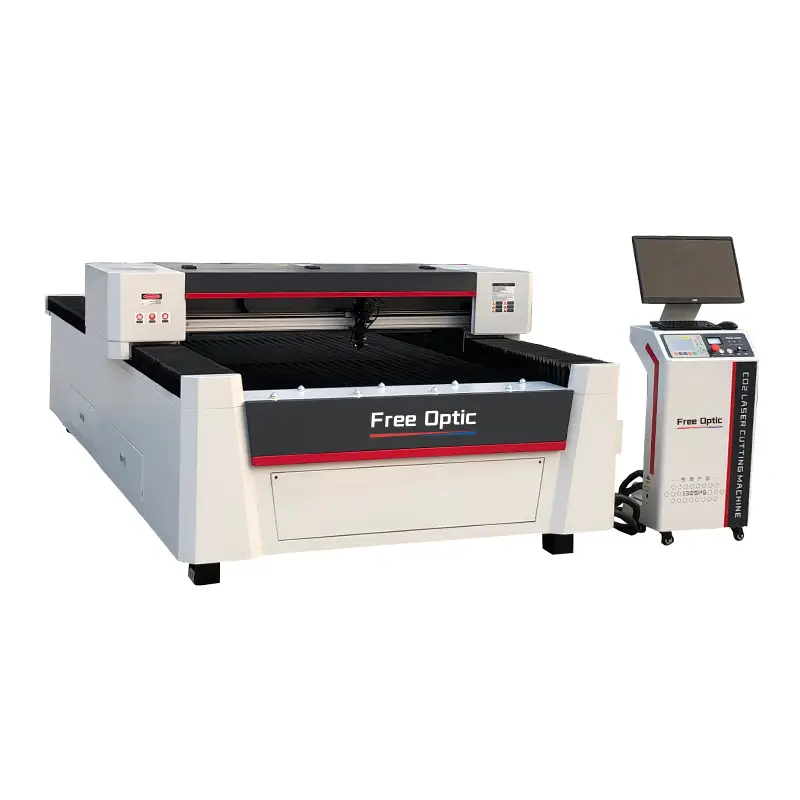
Fattori che influenzano il prezzo dei sistemi a CO2
I laser CO2 sono i cavalli di battaglia dell'industria non metallica, ampiamente utilizzati per legno, acrilico, pelle e vetro. Il principale fattore di costo di queste macchine è la potenza del tubo laser. Un tubo da 40W è sufficiente per l'incisione leggera, ma per le applicazioni industriali pesanti è necessario un tubo da 40W. Macchine per l'incisione laser Per tagliare materiali spessi ad alta velocità è necessaria una configurazione da 450 W o più. Le aree di lavoro più grandi aumentano anche il prezzo, poiché richiedono telai più robusti e sistemi di controllo del movimento più robusti per gestire il peso e la distanza di spostamento maggiori.
Inoltre, il tipo di tubo laser - in vetro o in metallo - influisce in modo significativo sul budget. I tubi di vetro sono convenienti, ma hanno una durata inferiore e richiedono il raffreddamento ad acqua. Al contrario, i tubi RF in metallo sono più costosi all'inizio, ma offrono una dimensione dello spot laser più fine, velocità di pulsazione più elevate e una vita operativa molto più lunga, che spesso raggiunge i cinque-sette anni prima di richiedere una ricarica di gas.
Il costo superiore dei sistemi laser in fibra
Quando si tratta di marcare metalli come l'acciaio inossidabile, l'alluminio, l'ottone o l'oro, la tecnologia passa ai laser a fibra. Un laser ad alte prestazioni macchina per l'incisione laser in fibra Il laser a fibre ottiche ha in genere un prezzo più elevato rispetto a un'unità a CO2 di potenza simile, perché la sorgente luminosa è a stato solido ed è estremamente durevole. I laser a fibra sono apprezzati per il loro funzionamento senza manutenzione e per la loro capacità di produrre marcature permanenti e ad alto contrasto su superfici dure, senza la necessità di spruzzare pretrattamenti.
Il costo dei sistemi in fibra è influenzato anche dalla tecnologia della durata degli impulsi. I laser in fibra MOPA, ad esempio, consentono un maggiore controllo sulla frequenza degli impulsi, permettendo la marcatura a colori sull'acciaio inossidabile e la marcatura più pulita sulla plastica. Se da un lato queste caratteristiche aumentano la spesa iniziale, dall'altro aprono nuovi flussi di entrate per le aziende, consentendo di realizzare marchi specializzati e finiture estetiche di alto livello che i laser Q-switch standard non possono raggiungere.
Tabella comparativa dei prezzi dei laser industriali
Per comprendere meglio il panorama del mercato, la seguente tabella riassume le fasce di prezzo tipiche e gli usi principali dei sistemi laser professionali.
| Tipo di macchina | Fascia di prezzo tipica (USD) | Materiali primari | Applicazione chiave |
| CO2 di piccolo formato | $2,500 – $6,000 | Legno, acrilico, pelle | Regali personalizzati, segnaletica |
| CO2 di grande formato | $10,000 – $35,000 | Acrilico spesso, tessuto, MDF | Taglio industriale, mobili |
| Laser a fibra (20W-50W) | $3,500 – $12,000 | Acciaio, alluminio, ottone | Numeri di serie, gioielli, strumenti |
| Fibra ad alta potenza (100W+) | $15,000 – $50,000+ | Tutti i metalli, incisione profonda | Costruzione di stampi, industria pesante |
Costi nascosti e accessori essenziali
Quando si stila il budget per un incisore laser, è un errore calcolare solo il costo della macchina in sé. Per garantire un funzionamento sicuro ed efficiente sono necessari diversi accessori essenziali. Gli estrattori di fumi e i sistemi di filtraggio dell'aria sono indispensabili per la maggior parte degli ambienti interni, soprattutto quando si lavorano materiali come l'acrilico o la gomma che producono gas tossici. Queste unità di filtrazione possono aggiungere da $500 a $3.000 al costo totale di installazione.
Inoltre, i refrigeratori industriali sono necessari per i tubi di CO2 raffreddati ad acqua per mantenere una temperatura stabile. Il funzionamento di un laser senza un adeguato raffreddamento può portare alla rottura del tubo nel giro di poche ore, con conseguenti costosi costi di sostituzione. Altri componenti aggiuntivi, come gli attacchi rotanti per l'incisione di oggetti cilindrici come tumbler o bottiglie, costano in genere tra $300 e $1.200. Anche l'investimento in software di alta qualità come LightBurn o in interfacce CAD/CAM proprietarie è una spesa necessaria per ottimizzare il flusso di lavoro dalla progettazione alla produzione.

Longevità operativa e ROI da manutenzione
Il ritorno sull'investimento (ROI) di una macchina laser dipende in larga misura dal suo tempo di attività. Le macchine di fascia alta sono costruite con ottiche schermate e involucri a prova di polvere per evitare che i detriti danneggino gli specchi e le lenti. Sebbene una macchina più economica possa far risparmiare denaro oggi, la frequente necessità di riallineamento e di sostituzione delle lenti può portare a tempi di inattività significativi. Gli utenti industriali danno la priorità a macchine con un'assistenza tecnica affidabile e parti di ricambio prontamente disponibili, per garantire che la produzione non si fermi mai per più di un giorno.
I costi di manutenzione dei laser a fibra sono notevolmente ridotti, poiché non hanno specchi da pulire o tubi che si consumano rapidamente. I laser a CO2 richiedono una maggiore attenzione, ma con un'adeguata pulizia del percorso ottico e regolari cambi d'acqua nel refrigeratore, possono rimanere altamente produttivi per anni. Calcolando il costo per ora di funzionamento, di solito si scopre che le macchine più costose e affidabili sono in realtà più economiche su un periodo di cinque anni rispetto alle alternative a basso costo.
L'impatto dell'integrazione di software e controllori
Il "cervello" della macchina laser - il suo controller - gioca un ruolo significativo sia nel prezzo che nelle capacità dell'unità. I controller avanzati supportano funzioni come la ripresa dopo la perdita di potenza, l'incisione vettoriale ad alta velocità e l'elaborazione multistrato. Le macchine dotate di controller riconosciuti come Ruida o Trocen tendono ad essere più costose perché sono compatibili con le suite di software professionali e offrono maggiore stabilità durante i lavori complessi.
I sistemi di teste galvaniche ad alta velocità, spesso presenti nei laser a fibra, permettono al fascio di muoversi a velocità fino a 10.000 mm/s. Questa velocità rende i laser a fibra così efficienti per la marcatura di pezzi in grandi volumi. Al contrario, i laser CO2 a portale spostano l'intera testa laser lungo un asse X-Y, il che è più lento ma consente aree di lavoro molto più ampie e la capacità di tagliare materiali spessi. La scelta tra un sistema a cavalletto e uno a cavalletto sarà un fattore determinante per il preventivo finale.
Scalare l'azienda con il sistema giusto
Con la crescita delle esigenze produttive, la capacità di scalare diventa fondamentale. Molte aziende iniziano con un'unica unità CO2 versatile e poi aggiungono un laser a fibra dedicato alla marcatura dei metalli. L'acquisto da un fornitore che offre una gamma di tecnologie consente una migliore integrazione e una formazione coerente per il personale. La scelta di una macchina con un'area di lavoro più ampia del necessario è spesso una decisione saggia a lungo termine, in quanto evita che l'apparecchiatura diventi troppo presto obsoleta quando si affrontano progetti più grandi.
In definitiva, il modo migliore per determinare l'importo da spendere è quello di eseguire un test sui materiali. I fornitori professionali spesso si offrono di incidere campioni specifici per dimostrare velocità e qualità. Questa prova di concetto assicura che la macchina acquistata sia in grado di soddisfare gli standard di qualità e le scadenze di produzione, rendendo l'investimento un passo avanti sicuro per la vostra azienda.