
 +86 13110089902
 bella.zhang@free-optic.com


CO2 Laser Marking Machine
Free Optic manufactures high-speed CO2 laser marking machines engineered for crisp, permanent, ink-free coding and engraving on organic and non-metallic materials. Operating at the 10.6 μm infrared wavelength, our CO2 galvanometer systems vaporize or etch surface layers cleanly without physical contact—delivering smudge-proof expiry dates on packaging lines, detailed branding on wood and leather, and high-contrast graphics across acrylic, paper, rubber, and glass.
-
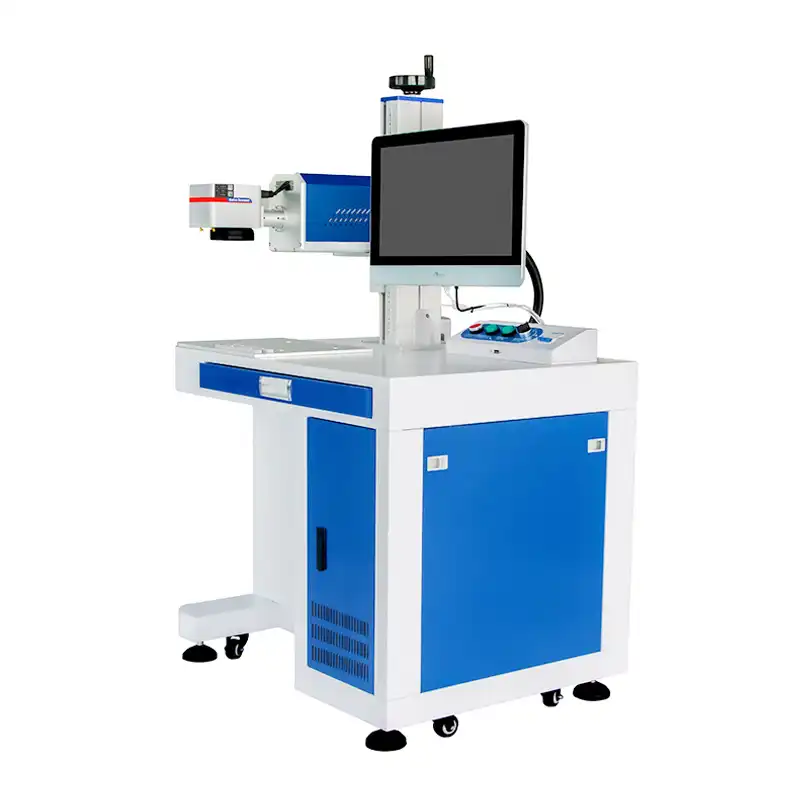
RF 35w 55w 60w Co2 Laser Marking Machine Co2 Laser Engraving Machine for Wood Textile Plastic Nonmetals
-
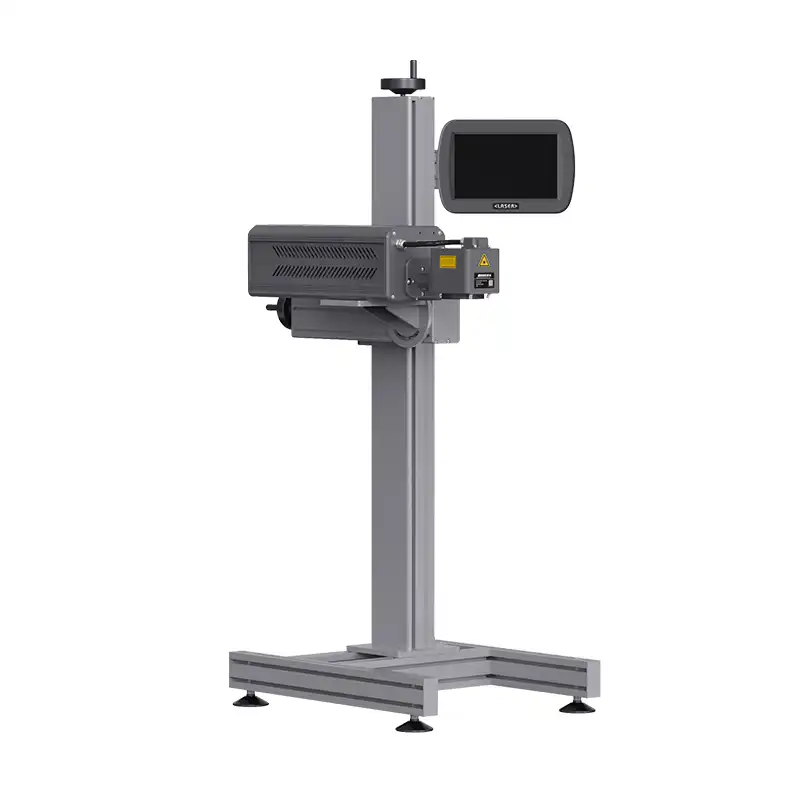
High Speed Auto Online Flying Co2 Laser Marking Machine Industrial Expiry Date Batch Coding Printer
-

Wood Laser Engraving Machine Desktop CO2 Laser Engraving Marking Machine
CO2 Laser Marking Machine Product Range
Part of our complete Laser Marking Machine portfolio, our CO2 series is built in multiple power levels and mechanical formats to fit both batch workshops and high-speed packaging conveyors:
-
RF Metal Tube CO2 Laser Marking Machines (30W / 35W / 55W / 60W): Air-cooled, sealed RF-excited metal laser sources (such as our CO2 RF 30W and RF 35W–60W series) delivering fine spot quality, rapid pulse response, and long maintenance-free lifespans for continuous industrial shifts.
-
CO2 Flying Laser Marking Machines (Online Batch Coding): Synchronized with conveyor encoders and photoelectric sensors for non-stop, high-speed printing of production dates, batch codes, barcodes, and QR codes on moving packaging lines.
-
Desktop Wood & Craft CO2 Laser Engraving Marking Machines: Compact, operator-friendly benchtop workstations tailored for woodworking studios, leather workshops, gift personalization, and custom signage.
-
Glass & Large-Field CO2 Laser Marking Systems: Configured with specialized F-theta lenses (100×100 mm up to 300×300 mm+) for frosted marking on glass bottles, ceramic ware, textiles, and wide-format non-metal sheets.
-
Supporting Fume Extraction & Line Accessories: Pair your station with our Smoke Purifier & Vacuum Fume Extractor or explore CO2 Laser Engraving/Cutting Machines if your workflow requires through-cutting thick wood and acrylic sheets.
CO2 Laser Selection Guide: RF Metal Tube vs. Glass Tube & Power
Selecting the right CO2 laser configuration depends on your production speed, line duty cycle, and material density. For a side-by-side comparison across CO2, UV, and Fiber technologies, read our Laser Marking Machine Buying Guide.
| Configuration | Laser Source & Cooling | Best Materials & Tasks | Ideal Production Environment |
| 30W–35W RF CO2 Laser | Air-cooled sealed RF metal tube | Fine batch codes, paper labels, thin films, leather logos, coated cartons | High-speed packaging lines, electronics, pharmaceutical coding |
| 55W–60W RF CO2 Laser | Air-cooled high-power RF metal tube | Deep wood engraving, thick leather, dense acrylic, rubber stamps, glass | Heavy-duty non-metal manufacturing, furniture, high-throughput lines |
| Desktop Glass-Tube CO2 | Water-cooled sealed CO2 glass tube | Cost-effective wood engraving, craft gifts, acrylic plaques, fabric patterns | Small-to-medium workshops, custom gift shops, batch sampling |
| Online Flying CO2 System | Conveyor-mounted RF CO2 + encoder | Real-time expiry dates, lot numbers, barcodes on bottles, pouches & boxes | Food, beverage, cosmetics, pharmaceutical, and cable extrusion lines |
Need ultra-fine "cold" marking on heat-sensitive plastics (HDPE, PEEK) without thermal yellowing? Compare our UV Laser Marking Machines. Marking bare metals or alloys? Explore our Fiber Laser Marking Machines.
Supported Non-Metallic & Organic Materials
The 10.6 μm wavelength of a CO2 laser is absorbed efficiently by organic compounds and non-conductive substrates:
-
Packaging & Paper Substrates: Corrugated cardboard, coated paperboard, kraft paper, paper labels, flexible plastic pouches, PET/PP bottles, and tear-off packaging films.
-
Wood & Bamboo: Hardwood, softwood, plywood, MDF, bamboo, cork, veneer, and lacquered wooden boxes.
-
Leather & Textiles: Genuine leather, PU/synthetic leather, denim, canvas, felt, technical fabrics, and garment accessories.
-
Acrylic, Rubber & Glass: Cast/extruded PMMA acrylic, silicone rubber, industrial gaskets, glass bottles, glazed ceramics, and painted or anodized coatings.
Key Industry Applications
Our CO2 laser systems eliminate ink consumables, solvent odors, and mechanical wear across high-volume industries:
-
Food, Beverage & Pharmaceutical Packaging: Permanent, tamper-evident production dates, expiration codes, lot numbers, and GS1 Data Matrix codes on cartons, PET bottles, labels, and blister packs.
-
Woodworking, Furniture & Craft Goods: Crisp brand logos, serial numbers, decorative patterns, and personalized text on wooden crates, wine boxes, furniture panels, and bamboo products.
-
Leather Goods, Footwear & Apparel: Clean, non-contact branding and surface patterns on leather bags, belts, shoe uppers, wallets, denim patches, and textile labels without blade wear.
-
Cosmetics & Glassware: High-contrast frosted logos, batch tracking codes, and decorative graphics on glass perfume bottles, cosmetic jars, and painted packaging.
-
Electronics, Rubber & Industrial Components: Permanent part numbers and specifications on molded rubber seals, PVC pipes, cable jackets, and non-metallic enclosures.
Customer Application Cases
See how global factories deploy Free Optic CO2 laser systems in daily production:
-
Case 1 — Beverage & Carton Packaging Line (35W CO2 Flying Laser Marker): Replaced traditional CIJ inkjet printers on a bottling conveyor, eliminating recurring ink and solvent expenses while achieving smudge-proof expiry coding at continuous line speeds.
-
Case 2 — Custom Wooden Gift Box & Furniture Branding (60W RF CO2 Marker): Integrated a wide-field F-theta lens and Smoke Purifier to engrave dark, sharp brand emblems across beechwood and MDF packaging boxes in under 2 seconds per piece.
-
Case 3 — Small Leather Goods & Footwear Batch Personalization (30W RF CO2 + CCD Vision): Combined a 30W RF CO2 laser with Visual Positioning to automatically locate and mark logos onto pre-cut leather patches with consistent depth and zero scorching.
Why Choose Free Optic for CO2 Laser Marking
-
Zero Consumables & Lower Operating Cost: Unlike inkjet coders that require continuous ink, makeup fluid, and printhead cleaning, CO2 laser marking runs on electricity alone—cutting long-term per-mark costs.
-
RF Metal & High-Grade Laser Sources: Choose between long-life sealed RF metal tubes (air-cooled, fast pulse frequency) and economical glass laser sources matched to your budget and shift hours.
-
Seamless Production Line Integration: Compact optical heads, adjustable mounting stands, encoder inputs, and user-friendly software supporting PLT, DXF, BMP, JPG, and variable database serial/date coding.
-
OEM/ODM Customization & Direct Factory Support: Custom power configurations, working field sizes, enclosures, and software interfaces backed by 10+ years of optical engineering experience and Technical Support.
Frequently Asked Questions
What materials can a CO2 laser marking machine mark?
CO2 laser marking machines excel on non-metal and organic materials, including packaging cardboard, paper, plastics, wood, bamboo, leather, textiles, acrylic, rubber, glass, and coated surfaces. For bare metals such as stainless steel or aluminum, use a Fiber Laser Marking Machine instead.
What is the difference between an RF metal tube and a glass tube CO2 laser?
An RF metal tube CO2 laser is air-cooled, produces a smaller focal spot with faster modulation for high-speed flying coding, and offers a longer operational lifespan (often 20,000+ hours before gas refill). A glass tube CO2 laser is water-cooled, typically lasts 8,000 to 12,000 working hours, and provides a lower upfront cost for workshop engraving.
Can a CO2 laser marking machine be integrated into a packaging production line?
Yes. Our CO2 Flying Laser Marking Machine connects directly to conveyor encoders and photoelectric triggers to mark moving bottles, cartons, pouches, cables, and pipes with real-time dates, batch numbers, and barcodes without stopping the line.
Will a CO2 laser burn or scorch wood, paper, or leather?
Because laser processing is non-contact and digitally controlled, adjusting power, speed, and pulse frequency lets you achieve clean surface color change or crisp engraving without burning through thin paper, packaging cartons, or fine leather.
Does Free Optic offer sample testing and OEM/ODM customization?
Yes. Send your packaging, wood, leather, or plastic samples to our engineers for free marking tests and parameter reports, or Contact Us to discuss OEM/ODM branding and custom line integration.