...

How Does a Laser Engraving Machine Work?

2월 6, 2026

Laser engraving machine have become an essential tool in modern manufacturing, signage, personalization, and industrial marking. From metal parts and plastic components to wood, leather, and glass, laser engraving offers high precision, speed, and long-lasting results. But how does a laser engraving machine actually work? Let’s take a closer look.

What Is Laser Engraving?

Laser engraving is a non-contact processing method that uses a highly focused laser beam to remove material from a surface. By vaporizing or melting a thin layer of the material, the laser creates permanent marks such as text, logos, serial numbers, barcodes, or decorative patterns.

Unlike traditional mechanical engraving, laser engraving does not require physical tools to touch the material, which means higher accuracy, less wear, and more flexibility.

Core Components of a Laser Engraving Machine

A typical laser engraving machine consists of several key components:

  • Laser Source: Generates the laser beam. Common types include fiber lasers, CO₂ lasers, and UV lasers, each suitable for different materials.
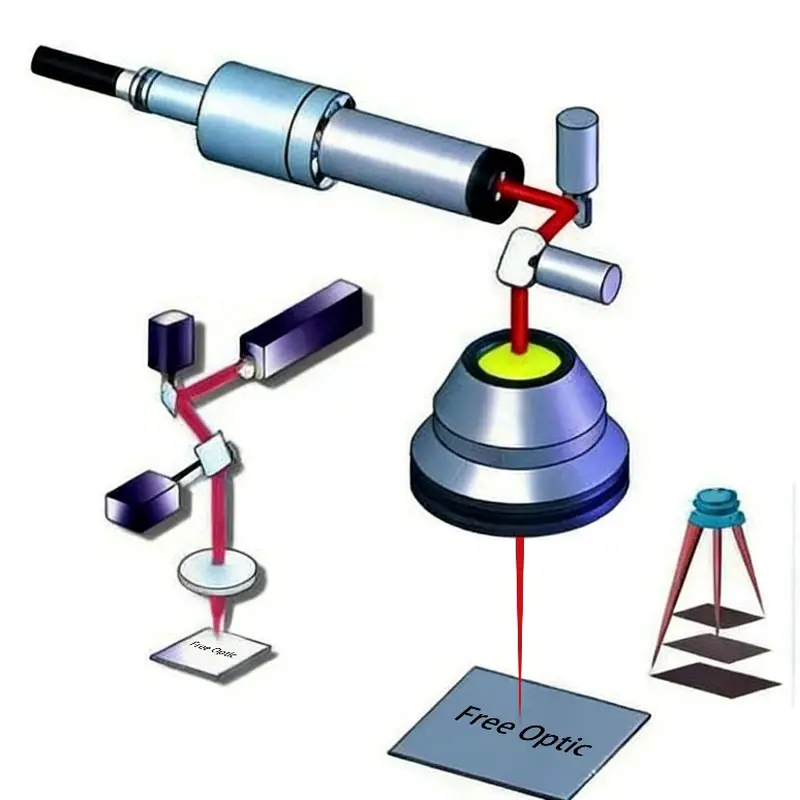
  • Optical System: Includes mirrors and lenses that guide and focus the laser beam onto the workpiece.
  • Galvo Scanner or Motion System: Controls the movement of the laser beam or the worktable to create the desired pattern.
  • Control System (Software): Converts design files into laser commands and controls power, speed, frequency, and engraving depth.
  • Cooling System: Maintains stable laser performance and extends the machine’s lifespan. Air cooling system or water-cooling system.
Laser engraving machines

How the Laser Engraving Process Works

  1. Design Input

The process begins with a digital design created using CAD or graphic software, supports various file formats. The file is imported into the laser engraving software like DXF, PLT, JPEG.

  • Parameter Settings

The operator sets engraving parameters such as laser power, marking speed, pulse frequency, fill density and focus height based on the material type and desired effect. Adjusting the parameters is not difficult; you just need to understand what each parameter means.

  • Laser Beam Generation and Focusing

The laser source emits a high-energy beam that is directed through the optical system. The lens focuses the beam into an extremely small spot, creating very high energy density.

  • Material Interaction

When the focused laser beam hits the material surface, it rapidly heats the area. Depending on the material, this causes melting, vaporization, or chemical color change, forming a precise engraved mark.

  • Pattern Formation

The galvo scanner or motion system moves the laser beam according to the design path, engraving the pattern line by line with high accuracy and consistency.

Why Laser Engraving Is So Effective

Laser engraving machines offer several key advantages:

  • High Precision: Micron-level accuracy for detailed and complex designs
  • Permanent Marking: Marks are wear-resistant, fade-proof, and durable
  • Fast Processing: Ideal for both small batches and mass production
  • Low Maintenance: No consumables or mechanical tool wear
  • Wide Material Compatibility: Suitable for metals, plastics, ceramics, wood, and more

Different laser wavelengths result in different types of laser sources.

Laser Type파장Laser Source MediumTypical Marking Materials Main AdvantagesCommon Applications
Fiber Laser1064 nmOptical fiber (Ytterbium-doped)Metals, stainless steel, aluminum, brass, plastics (some) High efficiency, long lifespan, low maintenance, fast speedMetal marking, QR codes, barcodes, industrial parts
CO₂ Laser10,640 nmCO₂ gas mixtureWood, glass, leather, paper, rubber, acrylic, ceramics Excellent for non-metals, smooth edges, low costPackaging, signage, crafts, textile marking
UV Laser355 nmFrequency-tripled solid-statePlastics, glass, silicon, PCB, medical materials Cold marking, ultra-fine detail, minimal heat damageElectronics, medical devices, cosmetic packaging
Green Laser532 nmFrequency-doubled solid-statePlastics, copper, gold, reflective metals High absorption on reflective materials, fine precisionPCB marking, jewelry, electronic components

Applications of Laser Engraving Machines

Laser engraving is widely used across many industries, including:

  • Industrial part marking and traceability
  • Electronics and PCB identification
  • Automotive and aerospace components
  • Promotional products and gifts
  • Jewelry and personalized items
  • Medical devices and instruments

Understanding how a laser engraving machine works helps businesses choose the right solution for their marking and engraving needs. By combining advanced laser technology, precise motion control, and intelligent software, laser engraving machines deliver efficient, reliable, and high-quality results for a wide range of applications.

As laser technology continues to evolve, UV 레이저 조각기 will play an even more important role in smart manufacturing and product customization.

Free Optic is a professional laser marking machine supplier in China. We can provide suitable laser marking machines based on your specific marking needs.

For any technical discussions or machine inquiries, please feel free to contact us!

메시지 남기기

×

메시지 남기기