+86 13110089902
 bella.zhang@free-optic.com

Как работает лазерный маркировочный станок?
30 декабря 2025 года
Технология лазерной маркировки стала неотъемлемым процессом в современном производстве. От промышленных компонентов до потребительских товаров - лазерные маркировочные машины обеспечивают точную, постоянную и высокоскоростную маркировку. Понимание принципов работы лазерной маркировочной машины помогает производителям выбрать правильную систему, особенно при работе с металлическими материалами, требующими долговечности и точности.
Основной принцип технологии лазерной маркировки
Лазерная маркировка осуществляется с помощью сфокусированного лазерного луча, изменяющего поверхность материала. Когда лазер взаимодействует с поверхностью, он создает видимый след, изменяя цвет, текстуру или структуру материала. Этот процесс не требует чернил, химикатов или физического контакта, что делает его чистым и экологичным.
Лазерный луч генерируется лазерным источником и направляется через оптические компоненты, которые фокусируют энергию на очень маленькой площади. Такая концентрация энергии позволяет точно контролировать глубину и внешний вид маркировки.
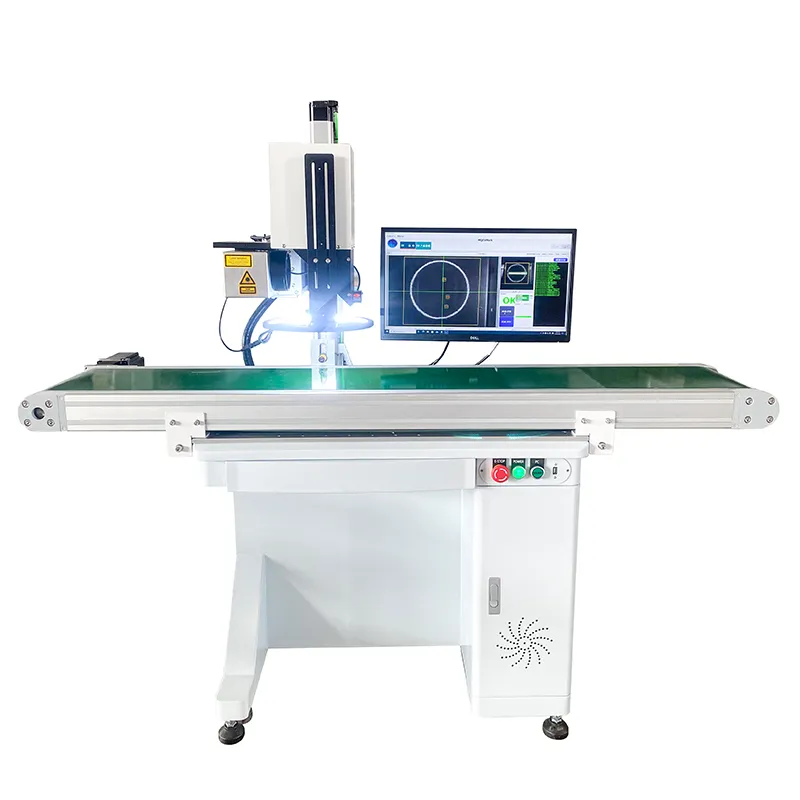
Основные компоненты машины для лазерной маркировки
Лазерный маркировочный станок состоит из нескольких основных компонентов, работающих вместе. Лазерный источник генерирует луч, а оптическая система контролирует направление и фокусировку луча. Гальванометрическая сканирующая система быстро перемещает луч по поверхности материала для создания текста, логотипов, штрих-кодов или серийных номеров.
Программное обеспечение для управления играет важную роль, преобразуя цифровые проекты в инструкции для лазера. Это позволяет производителям регулировать такие параметры, как мощность, скорость, частота и ширина импульса для достижения оптимальных результатов маркировки.
Как работает лазерная маркировка на металлических поверхностях
Маркировка металла требует высокой плотности энергии и точного контроля. A производственная линия лазерной маркировки машины Работает за счет контролируемого нагрева металлической поверхности. В зависимости от настроек и типа материала лазер может создавать следы отжига, гравировку поверхности или эффект окисления.
Технология волоконных лазеров широко используется для маркировки металлов, поскольку обеспечивает превосходное качество луча, высокую эффективность и длительный срок службы. Она позволяет получать четкие, постоянные метки на нержавеющей стали, алюминии, латуни, меди и других промышленных металлах.
Объяснение распространенных методов лазерной маркировки
Лазерные маркировочные машины могут создавать различные эффекты маркировки в зависимости от того, как лазер взаимодействует с материалом. Отжиг создает высококонтрастные метки без удаления материала, что делает его идеальным для применения в медицине и пищевой промышленности. Гравировка удаляет небольшое количество материала, образуя более глубокие, тактильные метки, подходящие для жестких условий эксплуатации.
Цветная маркировка изменяет структуру поверхности на микроскопическом уровне для создания цветовых изменений, часто используется для нержавеющей стали. Каждый из методов может быть реализован путем изменения параметров лазера без замены оборудования.
Преимущества лазерной маркировки по сравнению с традиционными методами
Лазерная маркировка обладает значительными преимуществами по сравнению с традиционными методами маркировки, такими как печать чернилами или механическая гравировка. Она позволяет получать постоянные метки, которые не выцветают, не отслаиваются и не стираются со временем. Бесконтактный процесс снижает напряжение материала и исключает износ инструмента.
Лазерная маркировка также отличается высокой гибкостью. Изменения в дизайн могут быть внесены мгновенно с помощью программного обеспечения без дополнительных затрат на оснастку. Это делает ее идеальной как для массового, так и для индивидуального или мелкосерийного производства.
Применение лазерной маркировки в металлургической промышленности
Установки для лазерной маркировки широко используются во многих отраслях промышленности. Производители автомобилей используют лазерную маркировку для нанесения кодов отслеживания и идентификации деталей. Аэрокосмические компании используют ее для долговечной маркировки, выдерживающей экстремальные условия.
Производители электроники, медицинских приборов, инструментов и промышленного оборудования получают выгоду от точности и надежности решений для лазерной маркировки металлов.
Почему стоит выбрать профессиональные решения для лазерной маркировки
Выбор правильного оборудования для лазерной маркировки очень важен для достижения стабильного качества и эффективности. Профессиональные производители, такие как Машины для лазерной маркировки Free Optic - это передовые системы, рассчитанные на промышленную производительность и долговременную надежность.
Компания Free Optic специализируется на производстве волоконных лазеров, отвечающих международным стандартам и поддерживающих широкий спектр приложений для маркировки металлов. Их оборудование имеет удобное программное обеспечение, стабильные оптические системы и прочную конструкцию.
Понимание факторов производительности оборудования для лазерной маркировки
На производительность лазерной маркировки влияют несколько факторов, включая мощность лазера, качество луча, скорость маркировки и свойства материала. Правильная калибровка обеспечивает резкий контраст и точную детализацию без повреждения поверхности материала.
Стабильность окружающей среды, системы охлаждения и оптическая юстировка также играют важную роль в поддержании стабильного качества маркировки в течение длительных производственных циклов.
Роль автоматизации в лазерной маркировке
Современные лазерные маркировочные машины могут быть интегрированы в автоматизированные производственные линии. Автоматизация повышает эффективность, снижает количество человеческих ошибок и обеспечивает последовательную маркировку при больших объемах производства.
Благодаря современным программным интерфейсам и протоколам связи системы лазерной маркировки могут легко взаимодействовать с роботизированными манипуляторами, конвейерами и системами контроля качества.
Будущие тенденции в технологии лазерной маркировки металлов
По мере развития производства технология лазерной маркировки становится все более интеллектуальной, быстрой и энергоэффективной. Достижения в области источников волоконного лазера и программного обеспечения для управления позволяют повысить точность и снизить эксплуатационные расходы.
Производители, инвестирующие в Лазерная маркировочная машина для металла позиционируют себя для долгосрочной конкурентоспособности на рынке, который требует прослеживаемости, качества и устойчивости.