+86 13110089902
 bella.zhang@free-optic.com

Cómo funciona una máquina de marcado láser: Una guía completa de la tecnología de marcado moderna
10 de diciembre de 2025
Entender el concepto de marcado por láser
Una máquina de marcado por láser es una tecnología avanzada que se utiliza para crear marcas permanentes de alta precisión en metales, plásticos, cerámica, vidrio y muchos otros materiales industriales. Utiliza un rayo láser enfocado para alterar la superficie de un material mediante procesos como el grabado, el mordentado, el recocido o la carbonización. Los lectores que no estén familiarizados con el concepto pueden encontrar una útil introducción en qué es una máquina de marcado láserque explica los fundamentos y aplicaciones de estos equipos.
El marcado por láser se ha convertido en una parte esencial de la fabricación moderna, ya que ofrece soluciones fiables de identificación de productos, trazabilidad, marcaje y lucha contra la falsificación. Desde piezas de automoción hasta dispositivos electrónicos y médicos, las máquinas láser proporcionan marcas limpias y legibles sin causar daños en la superficie.
El principio básico del marcado por láser
El marcado por láser funciona concentrando un haz láser de alta energía en una zona específica de un material. Cuando el haz incide en la superficie, interactúa con las moléculas del material, provocando un cambio de textura, color o profundidad. El proceso depende de la longitud de onda del láser, el tipo de material y el efecto de marcado deseado.
A diferencia del grabado o la impresión mecánicos, el marcado por láser es un proceso sin contacto. El cabezal láser nunca toca la superficie del producto, lo que garantiza la precisión y una calidad constante. Esto también evita el desgaste mecánico, lo que significa que la máquina mantiene la estabilidad a largo plazo.
Componentes clave de una máquina de marcado láser
Aunque existen muchas formas de máquinas láser, la mayoría de los sistemas comparten varios componentes esenciales que determinan su funcionamiento.
Fuente láser
La fuente láser es el corazón de la máquina. Los láseres de fibra suelen utilizarse para el marcado de metales, mientras que los láseres de CO₂ y UV son los preferidos para materiales no metálicos. Cada tipo de láser produce una longitud de onda diferente, lo que influye en el efecto de marcado.
Sistema de galvanómetro
Un sistema de escaneado de alta velocidad denominado "cabezal galvo" dirige el rayo láser con extrema precisión. Utiliza dos diminutos espejos para controlar el movimiento de los ejes X e Y, lo que permite al láser dibujar letras, códigos de barras, códigos QR o gráficos a gran velocidad.
Lente de enfoque
Una lente óptica especializada enfoca el haz láser en un punto muy pequeño, lo que aumenta la precisión y la uniformidad del marcado.
Software de control
El avanzado software permite a los usuarios diseñar texto, logotipos, números de serie o códigos. También controla la intensidad del láser, la velocidad, la profundidad y los parámetros de marcado en función del tipo de material.
Bastidor de la máquina y mesa de trabajo
La carcasa del equipo garantiza la estabilidad y un funcionamiento sin vibraciones, lo que es fundamental para un marcado preciso.
Explicación del proceso de marcado
Cuando una máquina de marcado por láser está en funcionamiento, el software envía instrucciones al cabezal galvo, que dirige el rayo láser para marcar el material. El tipo de interacción depende del método de marcado elegido.
El grabado elimina material
El recocido cambia el color de la superficie de los metales
La espuma crea marcas en relieve en los plásticos
La carbonización produce marcas oscuras por descomposición del material
La ablación elimina revestimientos o pinturas sin dañar el material de base
Esta flexibilidad permite a los fabricantes obtener diferentes resultados visuales en función de las necesidades de producción.
Por qué el marcaje láser es altamente eficaz
Las máquinas de marcaje láser se han hecho populares por su velocidad, precisión y ahorro de costes a largo plazo. No necesitan tinta, productos químicos ni herramientas de contacto, lo que reduce los costes de consumibles y los residuos medioambientales. Los sistemas modernos también admiten la producción automatizada, lo que los hace ideales para industrias de gran volumen.
Para las empresas que necesitan soluciones fiables de marcaje de metales, Free Optic ofrece servicios profesionales de marcaje de metales. Máquina de marcado láser para metal equipos diseñados para entornos industriales en los que la precisión y la durabilidad son fundamentales.
Tipos de máquinas de marcado láser
Las distintas industrias utilizan diferentes tecnologías láser en función del material y de los requisitos de calidad del marcado.
Máquina de marcado láser de fibra
Ideal para acero inoxidable, aluminio, latón y otros metales. Los láseres de fibra ofrecen una rápida velocidad de marcado y una alta eficiencia energética.
Máquina de marcado láser CO₂
Diseñado para materiales orgánicos como madera, cuero, acrílico, caucho y superficies recubiertas.
Máquina de marcado láser UV
Ideal para plásticos, vidrio, obleas de silicio y materiales delicados gracias a su longitud de onda de procesamiento en frío.
Los fabricantes se benefician de explorar toda la gama de Máquinas de marcado por láser suministrados por Free Optic, que cubren múltiples industrias y necesidades de marcado avanzado.
Integración con sistemas de automatización
Las fábricas modernas requieren cada vez más soluciones automatizadas y basadas en datos. Las máquinas de marcado por láser pueden integrarse con sistemas transportadores, brazos robóticos y tecnología de reconocimiento de visión para lograr un marcado rápido y continuo.
Las líneas de codificación automatizadas pueden marcar cientos de productos por minuto
Los datos en tiempo real pueden cargarse en sistemas ERP o de trazabilidad
Las cámaras verifican la calidad del marcado al instante
Esta integración mejora la eficacia de la producción al tiempo que reduce los costes de mano de obra y los errores humanos.
Ventajas del uso de máquinas de marcado por láser
El auge de la tecnología de marcado por láser se debe a varias ventajas clave:
Marcas permanentes y resistentes al desgaste
Alta precisión y exactitud repetible
Procesado de superficies sin contacto y sin daños
Compatibilidad con una amplia variedad de materiales
Marcaje ecológico y sin productos químicos
Bajo coste operativo y mantenimiento mínimo
Estas ventajas hacen que el marcado por láser sea adecuado para la electrónica, las piezas de automoción, los componentes aeroespaciales, los bienes de consumo, la joyería, los dispositivos médicos y el envasado de productos.
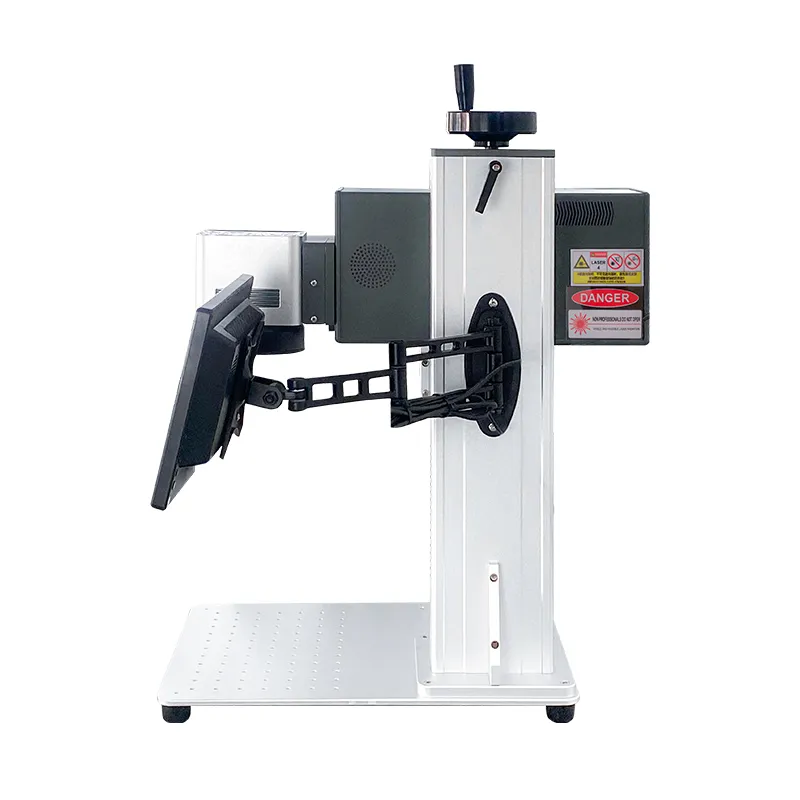
Industrias que se benefician del marcaje láser
El marcado por láser se utiliza en casi todos los sectores de fabricación debido a su versatilidad. Algunas de las aplicaciones más comunes son:
Marcado de números de serie y códigos de trazabilidad
Grabado de logotipos y marcas
Creación de códigos QR, códigos de barras y etiquetas UID
Micromarcaje antifalsificación
Marcado de precisión en placas de circuitos y microchips
Grabado de herramientas metálicas y componentes mecánicos
A medida que aumentan las normas de fabricación, más empresas confían en las máquinas láser avanzadas para la conformidad e identificación de productos.
Por qué elegir Free Optic para soluciones de marcado láser
Free Optic ofrece sistemas láser de alto rendimiento conocidos por su estabilidad, precisión y larga vida útil. Su amplia gama incluye sistemas de fibra, UV y CO₂, así como soluciones personalizadas para sectores especializados.
Los clientes eligen Free Optic porque se centran en la calidad óptica, la velocidad de marcado, la fiabilidad de los componentes y la facilidad de uso de las interfaces de máquina. Además, sus máquinas son compatibles tanto con pequeños talleres como con grandes líneas de producción automatizadas.
Tanto si las empresas necesitan un grabado metálico profundo como una microcodificación delicada, Free Optic ofrece soluciones profesionales diseñadas para satisfacer las exigencias de la producción moderna.
Reflexiones finales
Las máquinas de marcaje láser desempeñan un papel fundamental en el entorno de fabricación actual, ya que ofrecen una precisión, eficacia y flexibilidad inigualables. Al comprender cómo funcionan y seleccionar el sistema adecuado, las empresas pueden lograr una productividad a largo plazo y unos resultados de marcaje superiores.
Los fabricantes que busquen equipos fiables pueden explorar la gama Free Optic de Máquinas de marcado por láserque ofrecen un rendimiento fiable para una amplia variedad de industrias.