
 +86 13110089902
 bella.zhang@free-optic.com


파이버 레이저 마킹기
Free Optic manufactures high-speed fiber laser marking machines engineered for permanent, high-contrast engraving and etching on metals and high-density industrial plastics. Powered by 1064nm pulsed fiber laser sources (Raycus, IPG, JPT) and precision digital galvanometer scanners, our systems deliver clean barcodes, serial numbers, logos, and deep relief marks across single-station workshops and automated assembly lines.
-
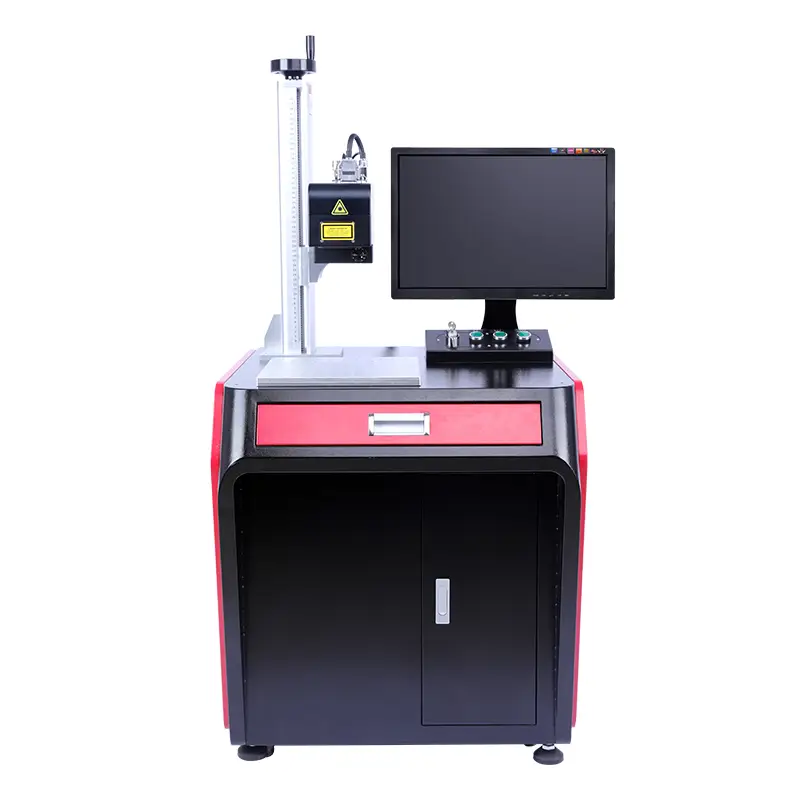
깊은 조각, 곡면 마킹, 고출력 검류계 절단을 위한 3D 레이저 마킹기
-
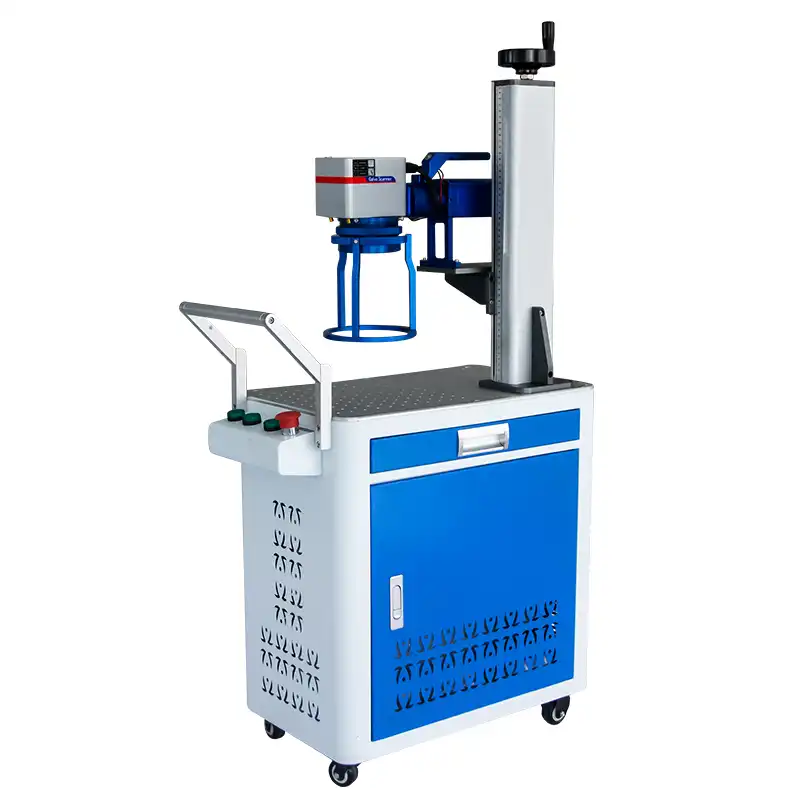
트롤리 파이버 레이저 마킹 머신 20w Jpt 금속 스테인레스 스틸 용 파이버 레이저 컬러 마킹 머신
-
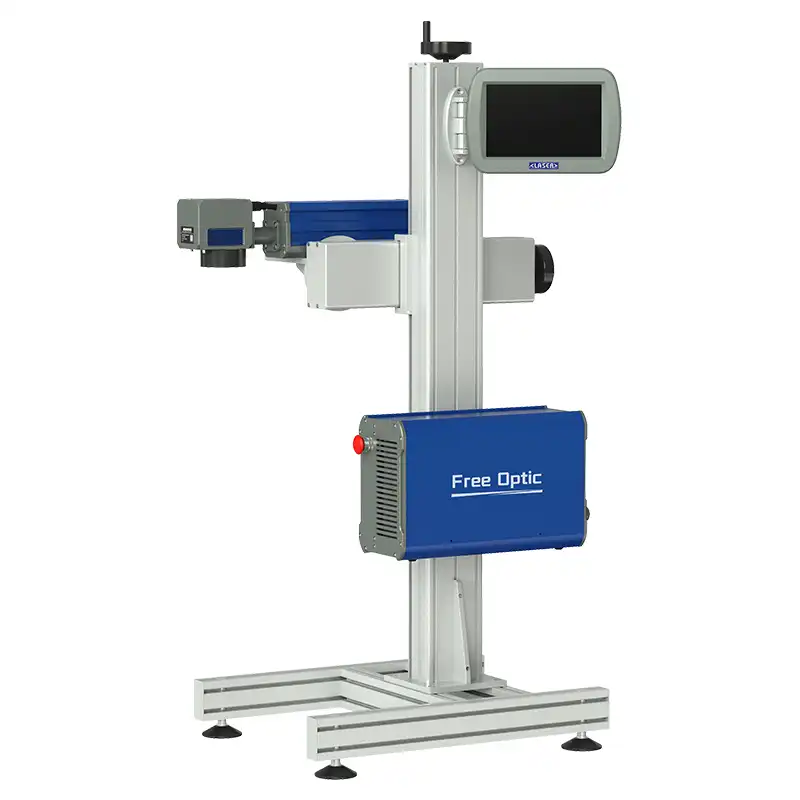
20w 30w 50w 고속 온라인 조립 라인 플라잉 레이저 마킹 조각 인쇄기
-

20W 30W 50W 100W 2.5D 3D 수공예품 깊은 조각, 부조 조각 금속 강철 용 파이버 레이저 마킹 조각 기계
-
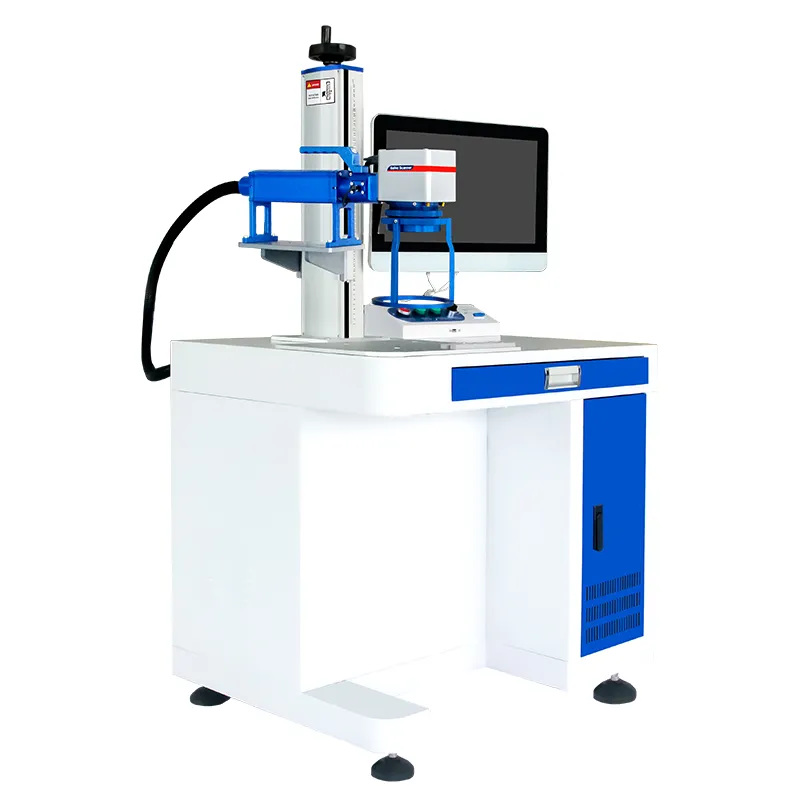
휴대용 핸드헬드 스탠드 데스크탑 파이버 레이저 마킹 조각 기계
-
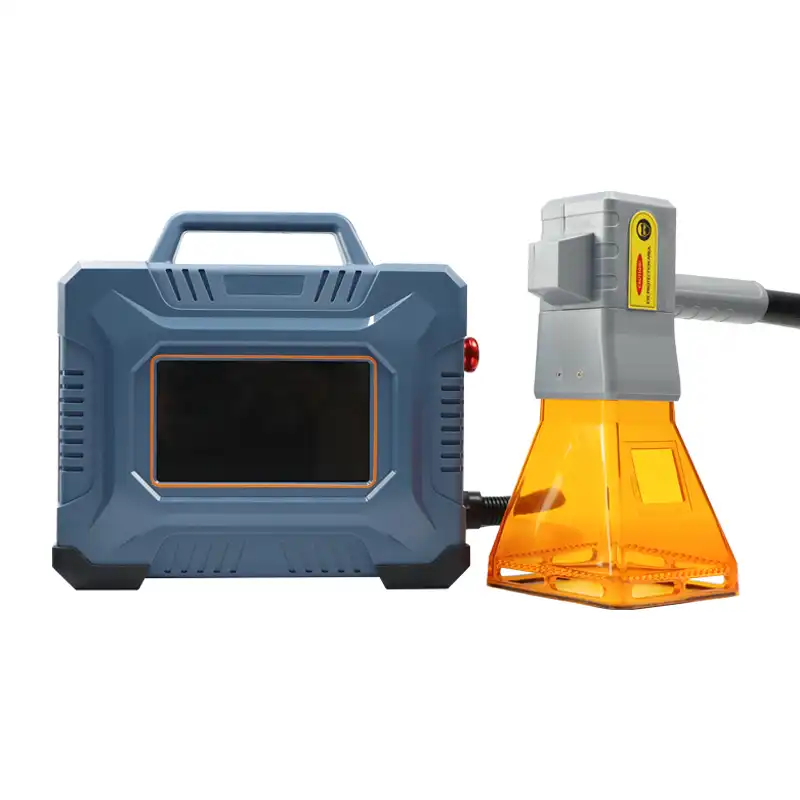
미니 휴대용 핸드헬드 파이버 레이저 마킹기 20W 30W 50W 60W
-
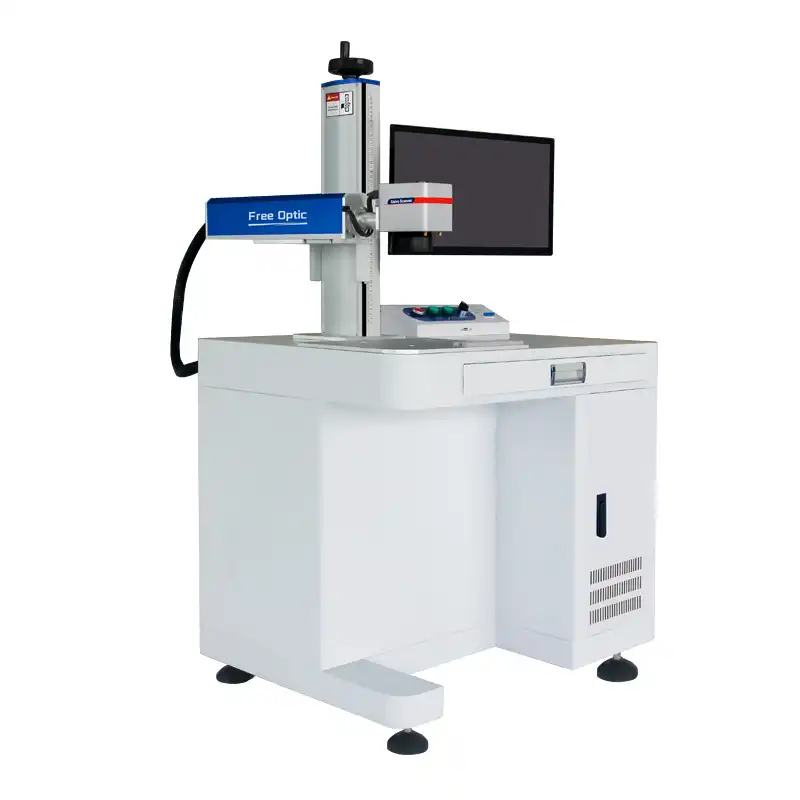
데스크탑 파이버 레이저 마킹 조각 기계 20W, 30W, 50W, 100W, 200W
-
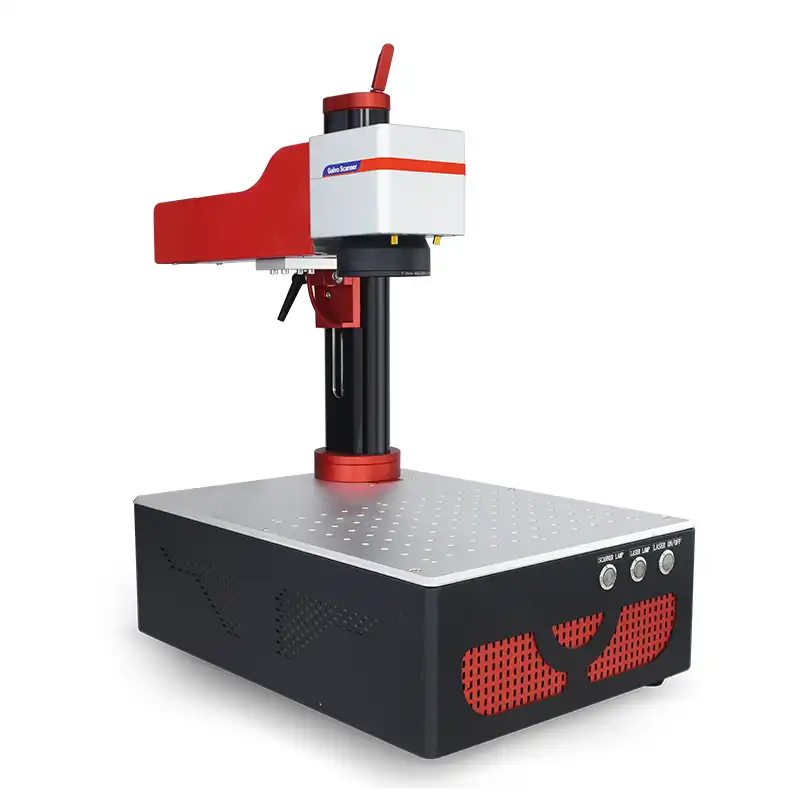
보석 및 금속 반지용 20W, 30W 미니 데스크톱 파이버 레이저 마킹기
-
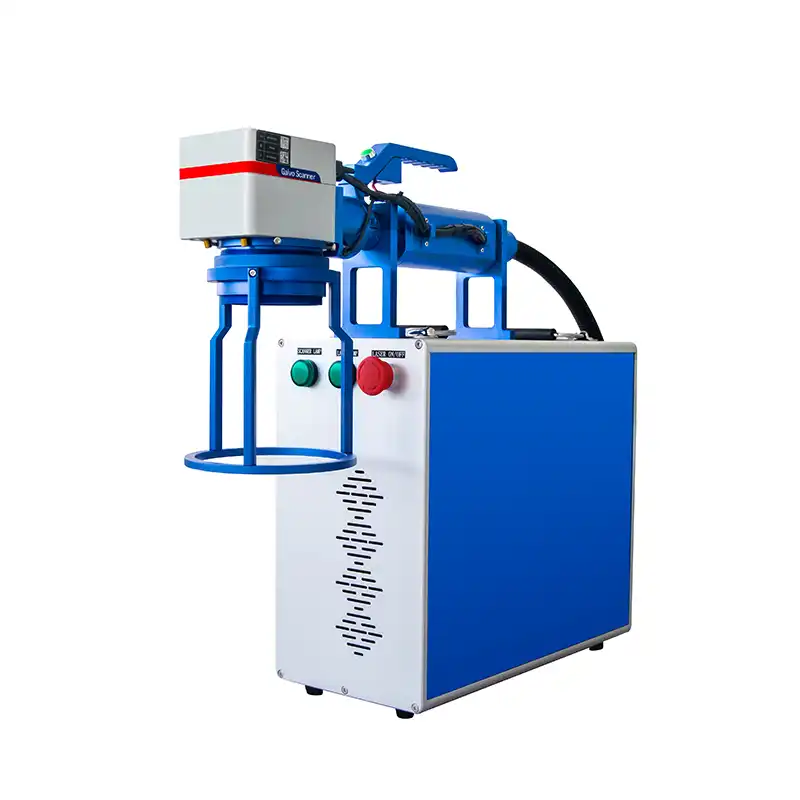
휴대용 핸드헬드 파이버 레이저 마킹기 20W, 30W, 50W, 100W, 200W
Fiber Laser Machine Configurations & Product Range
Within our broader 레이저 마킹기 portfolio, our fiber laser series is available in multiple mechanical and optical configurations to match your part geometry and floor layout:
-
Standard Split & Desktop Fiber Laser Marking Machines (20W / 30W / 50W): Compact benchtop and modular tower designs for nameplates, hardware tools, electronic housings, and batch part marking.
-
MOPA Fiber Laser Marking Machines (30W / 60W / 100W): Adjustable pulse duration and frequency control for vibrant color marking on stainless steel, high-contrast black marking on anodized aluminum, and low-heat marking on sensitive plastics.
-
Enclosed & Class-1 Safety Fiber Laser Workstations: Fully shielded cabinets with protective viewing windows and interlocks for operator safety in cleanrooms and factory cells.
-
3D Dynamic Focus Fiber Laser Marking Machines: Variable focal-length optics designed for curved, stepped, sloped, and deep-engraved metal components without manual Z-axis repositioning.
-
Flying Online Fiber Laser Marking Systems: High-speed inline markers synchronized with conveyor encoders for continuous coding on pipes, cables, extrusions, and packaged goods.
-
Handheld & Portable Fiber Laser Markers: Lightweight, mobile marking units for heavy machinery, large castings, structural steel, and on-site asset tagging.
Laser Power & MOPA Selection Guide
Choosing the right wattage and laser architecture—standard Q-switched vs. MOPA—directly impacts marking speed, engraving depth, and surface finish. For a broader comparison across fiber, UV, and CO2 technologies, read our Laser Marking Machine Buying Guide.
| Power & Source Type | Pulse & Beam Characteristics | Best Metal & Polymer Tasks | Recommended Use Cases |
| 20W 파이버 레이저 | Fine spot size, high peak precision, economical operation | Surface annealing, crisp QR/Data Matrix codes, logos, thin coatings | Electronic components, stainless steel tags, jewelry, medical tools |
| 30W 파이버 레이저 | Balanced speed and energy density for general batch work | Faster surface etching, light metal engraving, high-density plastics | Hardware tools, automotive fasteners, switchgear plates, bearings |
| 50W 파이버 레이저 | High pulse energy for faster material removal | Medium-depth engraving, mold cavities, textured metal surfaces | Automotive parts, brass/copper valves, industrial molds, firearms |
| 60W–100W Fiber Laser | Maximum ablation rate and deep penetration per pass | Deep metal engraving, thick nameplate relief, heavy-duty tooling | Engine blocks, VIN plates, aerospace alloys, deep serial stamps |
| 30W–100W MOPA Fiber | Independently adjustable pulse width (2–500 ns) & frequency | Stainless steel color marking, anodized aluminum black etching, zero-burn plastics | Consumer electronics, medical UDI devices, black-anodized housings |
Standard Q-Switched vs. MOPA Fiber Laser: Which Should You Choose?
-
Choose Standard Fiber when your primary goal is cost-effective, high-speed surface marking or deep metal engraving on steel, aluminum, brass, and copper.
-
Choose MOPA Fiber when you need precise heat-input control—such as marking pure black without damaging the oxide layer on anodized aluminum, creating repeatable annealing colors on 304/316 stainless steel, or preventing foaming and charring on ABS, PBT, and polycarbonate parts.
Supported Metals & Industrial Materials
The 1064nm wavelength of a fiber laser offers superior absorption on metallic substrates compared to CO2 systems:
-
Ferrous & Alloy Steels: 304/316 stainless steel, carbon steel, tool steel, spring steel, galvanized steel, and titanium alloys.
-
Non-Ferrous & Reflective Metals: Raw aluminum, anodized aluminum, brushed aluminum, brass, copper, bronze, and magnesium.
-
귀금속: Gold, silver, and platinum for fine jewelry engraving and hallmarking.
-
Engineering Plastics & Coated Surfaces: ABS, PBT, PEEK, HDPE, powder-coated metals, and painted metal housings (especially with MOPA pulse control).
Working with heat-sensitive polymers, glass, or organic packaging instead of metals? Explore our UV 레이저 마킹기 또는 CO2 레이저 마킹기.
Key Industrial Applications
Our fiber laser marking systems support permanent traceability and branding across demanding manufacturing sectors—explore full workflow breakdowns on our Laser Marking Applications hub:
-
Automotive & Auto Parts: Permanent VIN numbers, Data Matrix traceability codes, and batch IDs on engine components, brake pads, gears, bearings, and chassis hardware.
-
전자 및 반도체: Micro-scale QR codes, part numbers, and logos on IC chips, connectors, sensor housings, and anodized metal enclosures.
-
Medical Devices & Surgical Instruments: Corrosion-resistant, UDI-compliant dark annealing marks on stainless steel forceps, scalpels, orthopedic implants, and diagnostic tools.
-
Hardware, Tools & Valves: Wear-resistant size markings, pressure ratings, and brand logos on wrenches, drill bits, industrial valves, and pipe fittings.
-
Jewelry & Custom Metalware: High-precision text, serial numbers, and intricate graphics on rings, watches, metal giftware, and promotional plaques.
Customer Application Cases
See how manufacturers deploy Free Optic fiber laser markers in real production environments on our Case Studies page:
-
Case 1 — Anodized Aluminum Consumer Electronics Housings (60W MOPA): Replaced pad printing with a 60W MOPA fiber laser paired with CCD Visual Positioning, achieving crisp, scratch-proof black logos with zero consumable costs and automated tray alignment.
-
Case 2 — 316 Stainless Steel Surgical Instrument UDI Traceability (30W MOPA): Configured controlled-pulse annealing to produce high-contrast dark UDI barcodes that remain legible after repeated autoclave sterilization without compromising surface passivation.
-
Case 3 — Heavy Alloy Valve & Flange Deep Engraving (50W / 100W Fiber): Integrated a 360-degree rotary chuck and Smoke Purifier Fume Extractor to engrave 0.3mm-deep part numbers and pressure ratings onto curved metal valve bodies.
Why Source Fiber Laser Markers from Free Optic
-
Tier-1 Optical Components: Equipped with genuine Raycus, IPG, or JPT fiber laser sources (100,000+ hours rated lifetime) and high-speed Sino-Galvo scan heads for reliable beam stability.
-
Complete Accessory & Automation Ecosystem: Easily integrate rotary attachments, motorized Z-axes, safety enclosures, and fume extraction from our Supporting Equipment range.
-
Direct Factory Customization (OEM/ODM): Custom worktable dimensions, multi-station fixtures, PLC/MES communication interfaces, and custom branding backed by 10+ years of engineering experience.
-
Pre-Shipment Sample Verification: Send your actual metal parts to our application lab for parameter testing, mark contrast verification, and cycle-time evaluation before ordering.
자주 묻는 질문
What power fiber laser marking machine do I need for metal?
For standard surface barcodes, logos, and serial numbers on stainless steel or aluminum, 20W or 30W is sufficient and cost-effective. If you need faster throughput on batch lines or deep engraving (0.2mm–0.5mm+) on steel, brass, or titanium, choose 50W to 100W.
When is a MOPA fiber laser worth the extra investment?
A MOPA fiber laser is ideal if you mark anodized aluminum (for smooth black results), want color marking on stainless steel, or mark engineering plastics without burning or bubbling. For standard deep metal engraving, a conventional Q-switched fiber laser offers better value.
Can a fiber laser mark curved or cylindrical metal parts?
Yes. By adding a 360-degree rotary attachment for pipes, rings, and cylinders—or upgrading to a 3D dynamic focus fiber laser for irregular contours—you can maintain consistent focus across non-flat surfaces.
How long does a fiber laser marking machine last, and what maintenance is required?
Industrial fiber laser sources are rated for 100,000+ operating hours with air-cooled, solid-state design—requiring no laser gas refills or lamp replacements. Routine care consists mainly of keeping the F-theta field lens clean and running a smoke purifier during operation.