Expert Guide 2026: How Much is a Laser Stretch Mark Removal Machine? 5 Cost Factors Revealed
January 6, 2026
Abstract
An inquiry into the cost of a laser stretch mark removal machine in 2026 reveals a complex valuation landscape, influenced by technological, economic, and geographical factors. This analysis examines the primary determinants of equipment pricing, which ranges from approximately $15,000 for entry-level systems to upwards of $100,000 for advanced, multi-platform devices. Key cost drivers include the specific laser source technology, such as fractional CO2, Erbium:YAG, or Pulsed-Dye lasers, each with distinct clinical applications and manufacturing complexities. Other significant variables are the machine's power output, performance specifications, manufacturer reputation, software sophistication, and after-sales support. For buyers in Southeast Asian and Middle Eastern markets, regional factors like import tariffs, shipping logistics, and local regulatory compliance further shape the final investment. The discourse also distinguishes these medical aesthetic devices from industrial systems like fiber laser marking machines, contextualizing their divergent purposes and cost structures within the broader field of laser technology.
Key Takeaways
- Professional machine costs range from $15,000 to over $100,000, varying by technology.
- The laser type, such as Fractional CO2 or Pulsed-Dye, is a primary cost determinant.
- Understanding how much is a laser stretch mark removal machine requires factoring in import duties.
- Manufacturer brand reputation and after-sales support significantly influence the price.
- Software, cooling systems, and consumable parts contribute to the total cost of ownership.
- Medical aesthetic lasers differ fundamentally in design and purpose from industrial lasers.
- Regulatory approvals like FDA or CE marking are essential for value and legal operation.
Table of Contents
- Understanding the Landscape of Laser Technology in 2026
- Factor 1: The Heart of the Machine – Laser Source Technology
- Factor 2: Power, Performance, and Precision Specifications
- Factor 3: The Manufacturer's Brand, Origin, and Support
- Factor 4: Software, Features, and Consumables
- Factor 5: Market Dynamics – Location, Taxes, and Shipping
- Beyond Stretch Marks: The Versatility of Laser Technology
- Frequently Asked Questions (FAQ)
- Conclusion
- References
Understanding the Landscape of Laser Technology in 2026
To approach the question of a laser machine's cost is to enter a world where physics, medicine, and global economics intersect. The simple query, "how much is a laser stretch mark removal machine?" unfolds into a much larger conversation about the nature of light, its interaction with biological tissue, and the intricate supply chains that deliver these sophisticated instruments to clinics in Manila, Kuala Lumpur, or Dubai. The year 2026 stands as a notable point in this timeline, representing a period of mature technology, increased market accessibility, and a more discerning global clientele. The value of these machines is not merely in their physical components but in the clinical outcomes they promise—a restoration of the skin's smooth texture, a fading of the silvery or reddish lines that tell a story of growth, change, or healing. To understand the price, we must first understand the technology's dual identity, its underlying principles, and the specific market context of our time.
A Tale of Two Lasers: Medical Aesthetics vs. Industrial Precision
At first glance, a laser is a laser—a device that produces a highly concentrated beam of light. Yet, the laser used to diminish a stretch mark on human skin is a profoundly different instrument from one used to etch a serial number onto a steel component. Imagine two master artisans. One is a sculptor working with delicate clay, gently reshaping its surface, encouraging it to reform into a new, more refined state. The other is a metalsmith, engraving hard steel with unyielding precision, leaving a permanent, indelible mark.
The medical aesthetic laser is the sculptor. Its purpose is to interact with biological tissue in a controlled, therapeutic manner. It targets water, melanin, or hemoglobin within the skin to trigger a healing response, stimulating collagen and elastin production without causing unwanted damage. Its design prioritizes patient safety, with sophisticated cooling systems, precise energy delivery, and user interfaces built around treatment protocols.
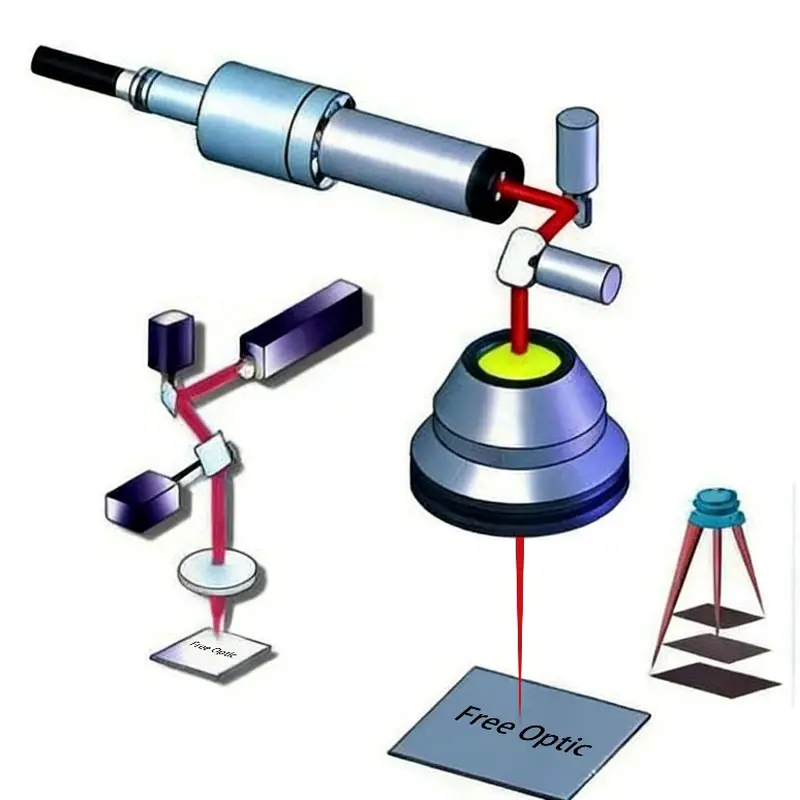
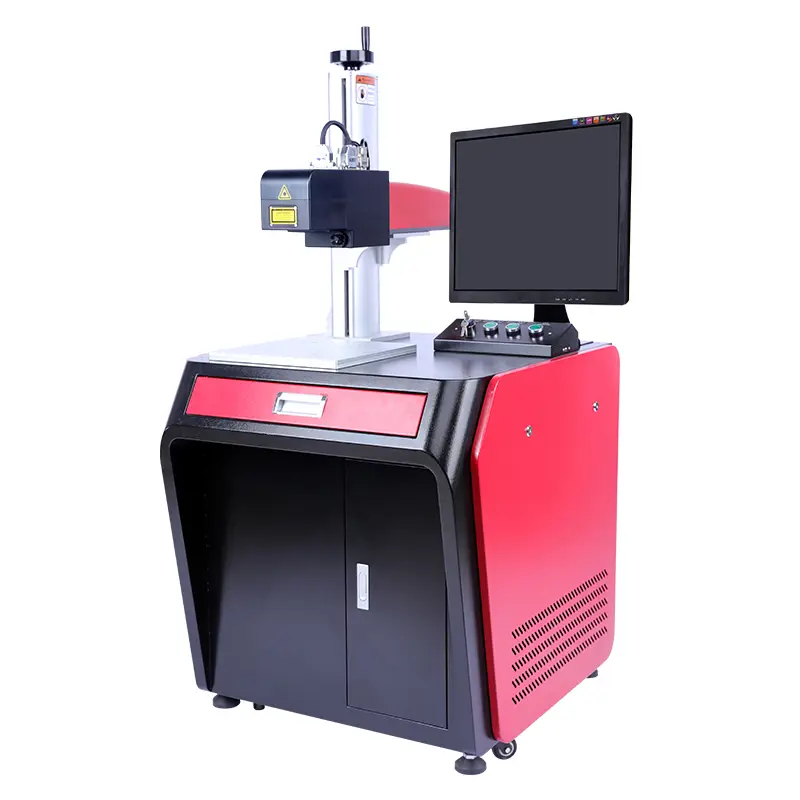
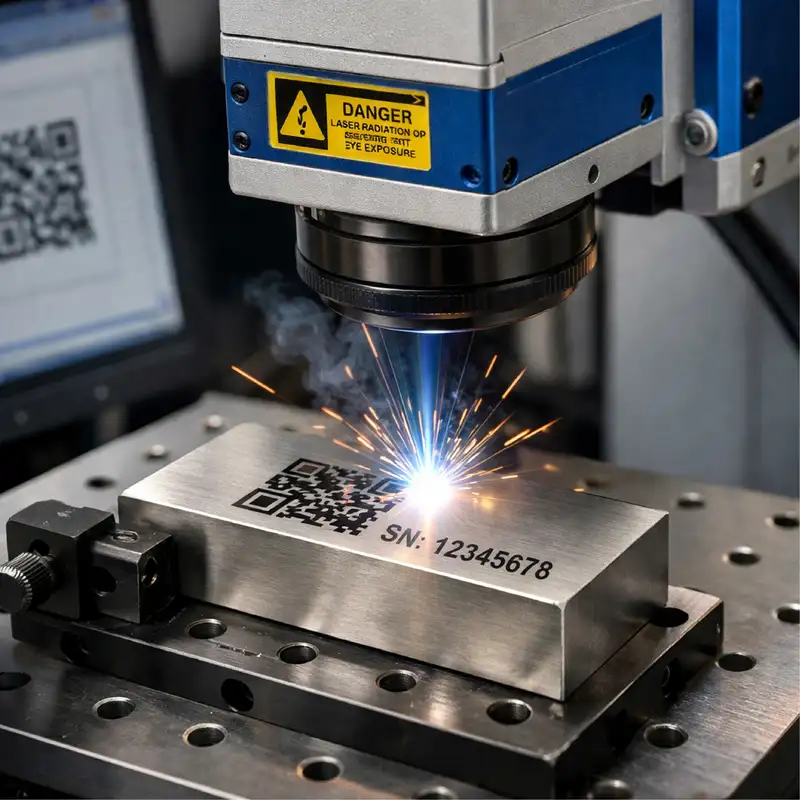
In contrast, the industrial laser, such as a Fiber Laser Marking Machine, is the metalsmith. Its objective is permanence and efficiency on non-biological materials. A fiber laser marking machine, for example, is designed for high-speed, high-contrast marking on metals and plastics. Its engineering focuses on durability, speed, and integration into a production line. A laser welding machine fuses metals with intense heat, while a laser cleaning machine ablates contaminants like rust or paint from a surface. These devices, while sharing the foundational physics of stimulated emission, are optimized for entirely different outcomes, materials, and operational environments. Acknowledging this distinction is the first step in comprehending why their costs and features diverge so dramatically.
The Physics of Light: How Lasers Interact with Matter
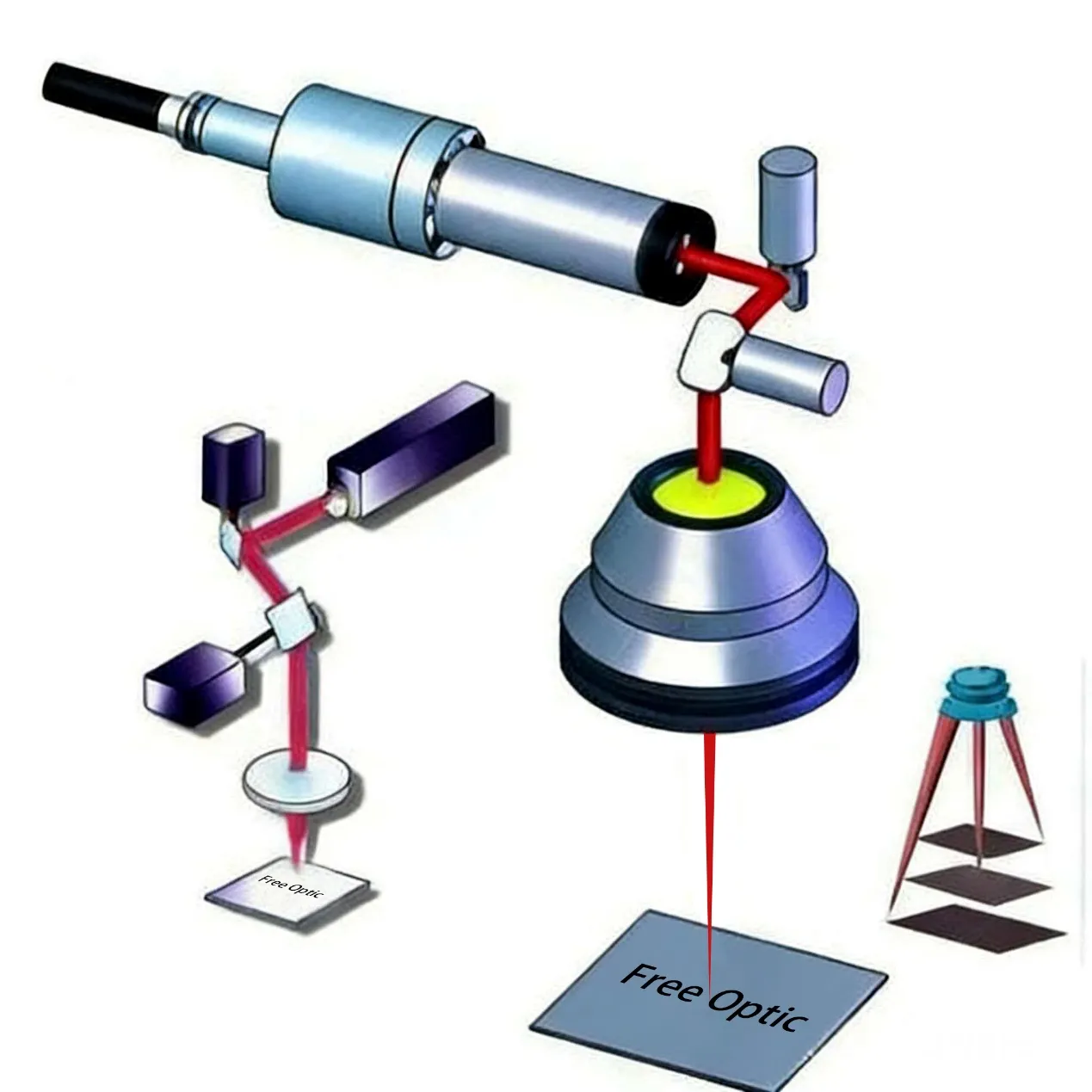
The term LASER is an acronym for Light Amplification by Stimulated Emission of Radiation. At its core, a laser machine energizes atoms in a gain medium (a crystal, gas, or semiconductor). These excited atoms then release photons of a specific wavelength. When these photons strike other excited atoms, they stimulate the release of identical photons, creating a cascade effect. Mirrors at either end of the laser cavity amplify this light, producing a coherent, monochromatic, and collimated beam of energy.
The magic happens when this beam interacts with a material. The outcome depends on the laser's wavelength, its power, and the properties of the target material.
-
In Skin (Medical Lasers): A specific wavelength is chosen to be absorbed by a target chromophore. For example, a Pulsed-Dye Laser (PDL) uses a wavelength around 595 nm, which is strongly absorbed by hemoglobin in blood vessels. This allows it to treat the reddish color of new stretch marks (striae rubrae) without significantly affecting the surrounding skin. A fractional CO2 laser, with a wavelength of 10,600 nm, is highly absorbed by water. Since skin is about 70% water, it vaporizes microscopic columns of tissue, creating micro-injuries that provoke a powerful collagen-rebuilding response, ideal for older, white stretch marks (striae albae).
-
In Metal (Industrial Lasers): A Fiber Laser Marking Machine typically operates around 1064 nm. Metals absorb this wavelength very efficiently. The intense energy melts, vaporizes, or anneals the metal's surface to create a mark. Annealing, for instance, heats the metal without removing material, causing a color change that forms the mark—a subtle, non-disruptive process perfect for medical implants or delicate electronics. The process is not about a healing response but about a permanent physical or chemical alteration of the material itself.
Understanding this fundamental interaction is key to appreciating why a machine designed for the delicate, water-rich environment of human skin cannot be substituted with one built for the resilient, crystalline structure of metal, and vice-versa.
Why 2026 is a Pivotal Year for Laser Applications
The year 2026 finds the laser industry, both medical and industrial, at a fascinating juncture, particularly in the rapidly developing economies of Southeast Asia and the Middle East. Several trends converge to make this a significant period:
- Technological Maturation and Accessibility: Technologies like fractional lasers and picosecond lasers, once confined to high-end clinics in Western markets, have become more widespread. Manufacturing processes have matured, leading to more reliable and slightly more affordable systems.
- Growing Middle Class and Aesthetic Awareness: In nations like Malaysia, Vietnam, and the UAE, a growing middle class with disposable income is fueling demand for aesthetic treatments. Social media and global connectivity have elevated awareness and acceptance of procedures like laser stretch mark removal.
- Increased Local Expertise: A growing number of dermatologists and aesthetic practitioners in these regions are now trained in advanced laser procedures, creating a robust local market for professional-grade equipment.
- Advancements in Industrial Automation: Concurrently, the manufacturing sectors in these regions are embracing Industry 4.0. The demand for industrial laser marking machines and laser cutting machine systems for traceability, branding, and precision manufacturing is surging. Companies are looking for efficient solutions to mark everything from automotive parts to electronic components.
This dual growth creates a rich ecosystem where knowledge and supply chains for laser components can sometimes overlap, even if the end products are distinct. For a potential buyer, this means more choice, but also a greater need for discernment to select the right tool for the right job.
Factor 1: The Heart of the Machine – Laser Source Technology
The single most significant factor determining the answer to "how much is a laser stretch mark removal machine?" is the type of laser source it employs. This is the engine of the device, the component that generates the therapeutic light. Different laser types have varying levels of complexity, use different materials, and are suited for different kinds of stretch marks. A clinic may even need multiple laser types to offer comprehensive treatment, which is why multi-platform systems often command the highest prices.
| Laser Type for Stretch Marks | How It Works | Best For | Pros | Cons | Average Machine Cost Range (2026 EST.) |
|---|---|---|---|---|---|
| Fractional CO2 Laser | Ablative; vaporizes microscopic columns of skin to stimulate intense collagen remodeling. | Old, white/silvery stretch marks (striae albae). | Highly effective, significant results. | Longer downtime (3-7 days), higher risk of post-inflammatory hyperpigmentation (PIH) in darker skin tones. | $45,000 – $110,000 |
| Fractional Erbium:YAG Laser | Ablative or non-ablative; similar to CO2 but with a wavelength more readily absorbed by water, causing less thermal damage. | White stretch marks, suitable for darker skin types. | Less downtime and lower PIH risk than CO2. | May require more sessions for comparable results to CO2. | $40,000 – $90,000 |
| Pulsed-Dye Laser (PDL) | Non-ablative; targets hemoglobin in blood vessels, reducing redness. | New, red/purple stretch marks (striae rubrae). | Very effective for redness, minimal downtime. | Not effective for old, white stretch marks. | $30,000 – $75,000 |
| Fractional Non-Ablative (1550nm/1540nm) | Non-ablative; heats columns of tissue below the surface without breaking the epidermis. | Mild to moderate stretch marks (red or white). | Minimal to no downtime, safer for all skin types. | Less dramatic results, requires multiple sessions. | $25,000 – $80,000 |
| Picosecond Laser | Non-ablative; uses ultra-short pulses to create a photoacoustic effect, shattering pigment and stimulating collagen with minimal heat. | Pigmented stretch marks and improving texture, very safe for dark skin. | Extremely low risk of thermal damage, effective for PIH. | Higher machine cost, results can be more subtle. | $60,000 – $150,000+ |
Fractional Lasers (Ablative vs. Non-Ablative): The Go-To for Skin Resurfacing
Fractional laser technology revolutionized skin resurfacing. Instead of treating the entire skin surface, it creates a grid of microscopic treatment zones, leaving the surrounding tissue intact. This "fractional" approach allows for much faster healing and a better safety profile.
-
Ablative Fractional Lasers (CO2, Erbium:YAG): These are the heavyweights. They remove, or ablate, the epidermis and part of the dermis in the microscopic columns. This aggressive approach triggers a profound wound-healing response, leading to significant new collagen and elastin formation that can dramatically improve the texture and appearance of deep, old stretch marks. The trade-off is the social downtime and a higher risk of pigmentary changes, a critical consideration for the diverse skin tones found in the Philippines and Indonesia.
-
Non-Ablative Fractional Lasers (1540nm, 1550nm): These are the more gentle cousins. They work by heating the dermal tissue in columns without breaking the skin's surface. The body's response is to clear away the heated, denatured tissue and replace it with new, healthy collagen. While the results are less dramatic per session compared to ablative lasers, the near-zero downtime and high safety profile make them an attractive option, especially for patients who cannot afford to take time off for recovery.
Pulsed-Dye Lasers (PDL): Targeting Redness in New Stretch Marks
When stretch marks first form, they are often red or purple (striae rubrae). This coloration is due to the presence of stretched and inflamed blood vessels in the dermis. A Pulsed-Dye Laser is specifically designed to target this. Its wavelength is selectively absorbed by hemoglobin, the red protein in blood cells. The laser energy heats and collapses these tiny vessels, causing the red color to fade away. For a clinic aiming to treat patients with recent stretch marks, a PDL is an invaluable tool. However, it has little to no effect on the atrophic, silvery-white appearance of mature stretch marks.
A Comparative Look: How Medical Laser Sources Differ from Industrial Fiber Lasers
It is illuminating to compare these medical laser sources to their industrial counterparts. The most common industrial marking laser is the fiber laser. A Fiber Laser Marking Machine uses an optical fiber doped with rare-earth elements (like Ytterbium) as its gain medium. This design is incredibly robust, efficient, and requires minimal maintenance, making it perfect for a factory floor.
| Feature | Medical Laser (e.g., Fractional CO2) | Industrial Laser (e.g., Fiber Marking) |
|---|---|---|
| Primary Purpose | Therapeutic tissue interaction (collagen remodeling). | Permanent material alteration (marking, engraving). |
| Target Material | Skin (water, hemoglobin, melanin). | Metals, plastics, ceramics. |
| Typical Wavelength | Varies by target (e.g., 10,600nm for CO2, 595nm for PDL). | 1064 nm (optimized for metals). |
| Key Design Priority | Patient safety, precise depth control, cooling. | Speed, durability, automation integration. |
| Cost Driver | Complex optics, cooling systems, regulatory approval. | Laser source power, scan head speed, software. |
| Operational Environment | Clean, climate-controlled clinic. | Can be harsh factory floors. |
This comparison highlights that while both are "laser machines," their design philosophies are worlds apart, directly impacting their construction and cost.
Exploring CO2 and UV Lasers: From Skin Peels to Micro-Marking
The Co2 Laser Marking Machine and Uv Laser Marking Machine also have interesting parallels in the medical and industrial worlds.
A medical CO2 laser, as discussed, is a workhorse for skin resurfacing. An industrial Co2 Laser Marking Machine, on the other hand, uses the same 10,600 nm wavelength to mark organic materials like wood, paper, glass, and some plastics. The energy doesn't stimulate collagen; it chars, engraves, or etches the material's surface.
Similarly, a UV laser, which operates in the ultraviolet spectrum (e.g., 355 nm), is prized in industry for its "cold marking" ability. It breaks chemical bonds in a material without significant heat, allowing for incredibly fine and damage-free marking on sensitive materials like silicon wafers, plastics used in medical devices, and glass. In the world of aesthetics, the closest relative is the excimer laser (a type of UV laser) used in vision correction surgery (LASIK), which also uses this cold ablation principle to reshape the cornea. This demonstrates how a single physical principle—using a specific part of the light spectrum—can be adapted for vastly different, highly specialized applications.
Factor 2: Power, Performance, and Precision Specifications
Beyond the core laser type, a machine's performance specifications are a major cost driver. Two machines with the same laser source can have vastly different prices based on their power, the sophistication of their delivery systems, and the efficiency of their cooling mechanisms. These are not just numbers on a spec sheet; they directly translate to treatment efficacy, speed, patient comfort, and the device's lifespan.
Wattage and Fluence: Decoding the Power Metrics
In the world of laser aesthetics, power is not just about brute force. It's about control.
- Wattage (W): This is the rate at which the laser produces energy, analogous to the horsepower of a car. A higher wattage CO2 laser can deliver energy faster, potentially allowing for deeper treatments or quicker procedures. For example, a 60W CO2 laser will generally be more expensive and versatile than a 30W version.
- Fluence (J/cm²): This is the energy delivered per unit area. It is a critical parameter that the clinician sets for each treatment. The machine's ability to deliver a wide range of fluences accurately and consistently is a mark of quality.
- Pulse Duration: This is how long each burst of laser energy lasts. Advanced machines offer a range of pulse durations, from microseconds to picoseconds. Shorter pulses minimize heat transfer to surrounding tissue, which is a key safety feature, especially for darker skin. Picosecond lasers are the current state-of-the-art in this regard and are priced accordingly.
A machine with higher peak power, a broader range of adjustable parameters, and the ability to deliver very short pulses requires more advanced electronics and a more stable laser cavity, all of which add to the cost.
Spot Size and Delivery Systems: The Nuances of Application
How the laser beam gets from the machine to the skin is handled by the delivery system, which usually consists of an articulated arm and a handpiece.
- Handpiece and Scanner: The handpiece contains sophisticated optics and a scanner. The scanner uses tiny, fast-moving mirrors (galvanometers) to draw the fractional pattern on the skin. A high-quality scanner can create various pattern shapes (squares, circles, lines), sizes, and densities with extreme precision. This versatility allows the clinician to tailor the treatment perfectly to the shape and size of the stretch marks. Cheaper systems may have slower scanners or fewer pattern options.
- Spot Size: This refers to the diameter of the laser beam or the microbeams in a fractional pattern. Machines that offer multiple spot sizes give the clinician more flexibility to treat large areas quickly or small, delicate areas with precision.
The mechanical precision of the articulated arm and the speed and accuracy of the scanner are significant engineering feats that contribute to the machine's price tag.
Cooling Systems: Ensuring Patient Safety and Machine Longevity
Lasers generate a tremendous amount of heat—both in the laser source itself and on the patient's skin. Managing this heat is paramount.
- Patient Cooling: Most high-end aesthetic lasers integrate a cooling system to protect the epidermis and improve patient comfort. This can be a contact cooling system (where a chilled sapphire tip on the handpiece touches the skin) or a cryogen spray that cools the skin just before the laser pulse. Some clinics use a separate cold air chiller, like a Zimmer Cryo, which blows chilled air onto the treatment area. A machine with integrated, effective cooling is safer and provides a better patient experience, making it a more valuable asset.
- Internal Cooling: The laser source and power supply must also be cooled to operate reliably. This is typically done with a closed-loop water-to-air or water-to-water chilling system. A robust, reliable cooling system prevents the laser from overheating, ensures consistent power output, and extends the life of the expensive laser source. Failures in the cooling system are a common cause of costly repairs, so manufacturers of premium machines invest heavily in this component.
Industrial Counterparts: Speed and Throughput in Laser Engraving Machines
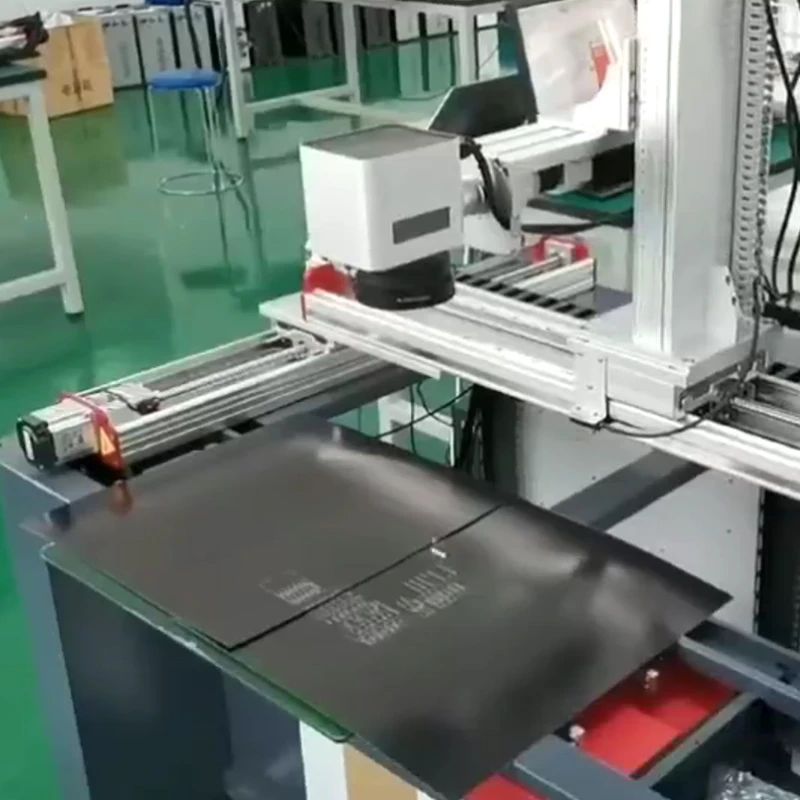
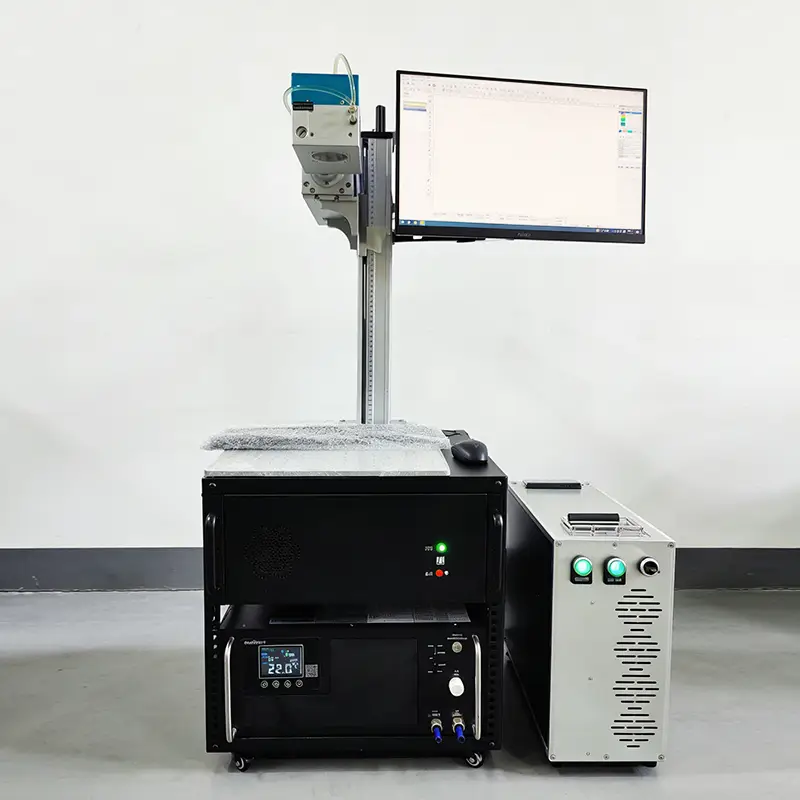
In the industrial realm, performance metrics are geared towards manufacturing efficiency. For a laser engraving machine, the key specifications are marking speed and work area size. Just as a medical laser scanner draws a pattern on the skin, an industrial laser engraving machine uses a scan head to direct the beam across the product. The speed is often measured in millimeters per second (mm/s). High-end systems can achieve speeds of several thousand mm/s.
The software for an industrial laser machine for marking equipment is also different. It's designed to import vector files (like DXF or AI), manage serial numbers, and integrate with factory automation systems. The focus is not on patient safety protocols but on workflow efficiency and repeatability. A powerful laser engraving machine designed for deep engraving on hardened steel will have a high-power laser source and robust mechanics, making it a significant investment, though its purpose and feature set are entirely different from a medical device.
Factor 3: The Manufacturer's Brand, Origin, and Support
The company that builds the machine plays an enormous role in its price. This factor encompasses not just the physical product but also the intangible—yet highly valuable—assets of reputation, reliability, and support. For a clinic owner in Turkey or Vietnam, choosing a manufacturer is a long-term partnership, not a one-time purchase.
Tier 1 vs. Tier 2 Manufacturers: A Global Perspective
The market for medical aesthetic lasers can be broadly divided into tiers.
- Tier 1 Manufacturers: These are typically well-established companies from the USA, Germany, Israel, and South Korea (e.g., Cynosure, Lumenis, Candela, Lutronic). They are known for extensive research and development, rigorous clinical testing, and holding numerous patents. Their machines are often considered the gold standard, backed by a wealth of clinical studies. They command premium prices due to their proven efficacy, reliability, and strong brand recognition. A machine from a Tier 1 manufacturer can be a powerful marketing tool for a clinic.
- Tier 2 and Other Manufacturers: This category includes a wide range of companies, many from China and other parts of Asia. These manufacturers often produce more cost-effective machines. In recent years, the quality and reliability of many of these systems have improved significantly. They may offer similar core technology but might use less expensive components, have less sophisticated software, or lack the extensive clinical documentation of Tier 1 brands. For a new clinic or a market where price sensitivity is high, these machines can offer a viable entry point. However, buyers must perform careful due diligence regarding build quality, component sourcing, and the credibility of the manufacturer.
The Importance of After-Sales Support and Training in the UAE and Malaysia
A laser machine is not a "plug and play" device. The final cost of answering "how much is a laser stretch mark removal machine" must include the value of post-purchase support. This is especially vital in markets geographically distant from the manufacturer's headquarters.
- Training: Proper training is essential for achieving good clinical results and ensuring patient safety. A reputable manufacturer or their local distributor will provide comprehensive hands-on training for the clinic's staff, covering not just the machine's operation but also treatment protocols for different skin types, including the Fitzpatrick skin types commonly found in Southeast Asia and the Middle East.
- Technical Support and Maintenance: When a $100,000 machine goes down, a clinic loses revenue every hour. A good manufacturer will have a local or regional team of certified technicians who can provide prompt service and repairs. Inquiring about the availability of spare parts, the cost of a service contract, and the guaranteed response time for a technician visit in Dubai or Ho Chi Minh City is a critical part of the purchasing process. Lack of local support can turn a cheaper machine into a very expensive problem.
Navigating Certifications: FDA, CE, and Local Regulatory Bodies
Regulatory certification is a non-negotiable aspect of a medical laser's value.
- FDA Clearance (USA): The U.S. Food and Drug Administration's clearance is one of the most stringent regulatory hurdles. A machine with FDA clearance for a specific indication (like treatment of striae) has undergone rigorous review for safety and efficacy. It is a global benchmark for quality.
- CE Mark (Europe): The CE mark indicates that a product complies with European Union health, safety, and environmental protection standards. It is a mandatory requirement for selling devices in the EU and is widely recognized elsewhere.
- Local Registrations: Countries like Malaysia, the Philippines, and the UAE have their own medical device registration requirements. A manufacturer that has already completed these registrations for their products adds significant value, saving the buyer a complex and time-consuming administrative process.
A machine lacking these certifications may be significantly cheaper but is likely illegal to operate for medical purposes in most jurisdictions and poses a serious risk to both patients and the clinic's reputation.
Sourcing Industrial Systems: A Look at Leading Laser Equipment Providers
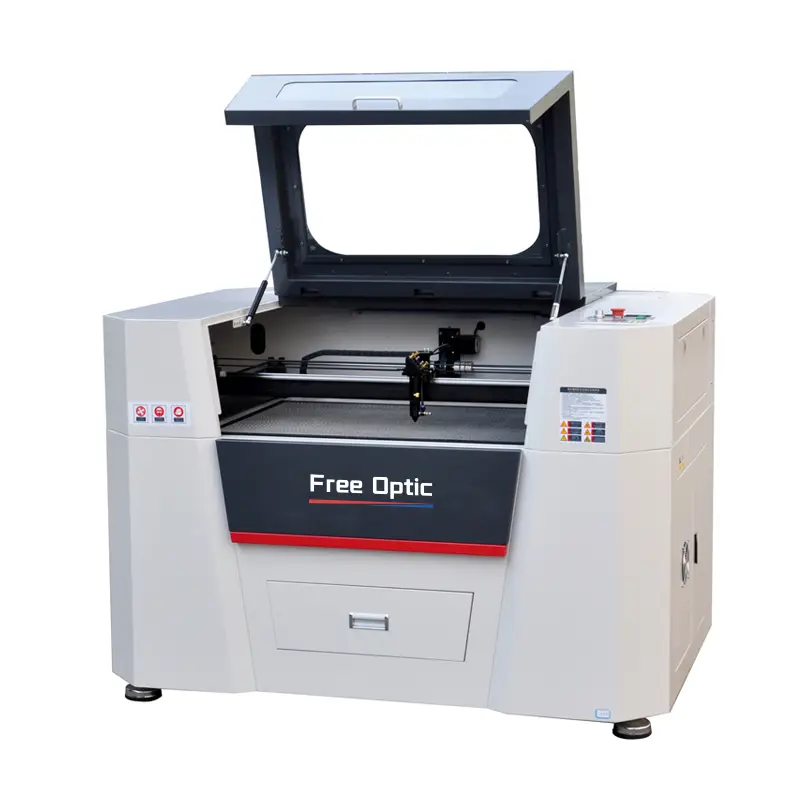
When sourcing industrial systems, the considerations are similar but focus on industrial metrics. A business looking for a laser marking machine would evaluate providers based on their industrial expertise, the robustness of their machines, and their ability to integrate the system into a production line. Companies like Free Optic, which specialize in a range of industrial laser solutions, provide a different kind of partnership. Their support is geared towards optimizing manufacturing workflows, ensuring marking quality meets industry standards (like AIM-DPM for data matrix codes), and minimizing downtime in a high-volume production environment. The value is in productivity and reliability, not patient outcomes.
Factor 4: Software, Features, and Consumables
The sophistication of a laser machine extends beyond its hardware. The software that drives it, the user-friendliness of its features, and the ongoing costs of consumables are all part of the total cost of ownership and contribute to the initial purchase price.
User Interface and Treatment Protocols: The Brains of the Operation
Modern medical lasers are controlled by complex software via a touchscreen interface. The quality of this software is a key differentiator.
- Intuitive Design: A well-designed user interface (UI) makes the machine easier and safer to use. It should allow the clinician to set parameters like fluence, pulse duration, and spot size logically and clearly.
- Pre-set Protocols: Many high-end machines come with pre-loaded treatment protocols for various indications and skin types. These are starting points based on the manufacturer's clinical studies. While an experienced clinician will always tailor treatments to the individual, these protocols are an invaluable guide, especially for new users.
- Patient Database: Some systems include a patient database to track treatment history, photos, and parameters used. This feature enhances clinical record-keeping and consistency of care.
The research and development invested in creating safe, effective, and user-friendly software is a significant part of the machine's cost.
The Hidden Costs: Consumables and Disposable Components
The initial purchase price is not the end of the story. Many laser systems require consumables or have components with a limited lifespan, creating ongoing operational costs.
- Disposable Tips: Some handpieces use disposable tips that must be replaced for each patient or after a certain number of pulses. This is a recurring cost that must be factored into the price of each treatment.
- Flashlamps and Laser Diodes: In some types of lasers (though less common in modern CO2 or fiber lasers), the flashlamps or diode bars that "pump" the laser medium have a finite number of pulses (e.g., 1-10 million shots) before they need to be replaced. This can be a significant expense, costing several thousand dollars.
- Cryogen Canisters: For machines that use a cryogen spray for cooling, the canisters of cryogen are a regular consumable cost.
When evaluating a machine, it is vital to get a clear list of all consumables and limited-life components and their replacement costs. A machine with a lower upfront price but high consumable costs might be more expensive in the long run.
Software in Industrial Applications: From Design to Production
The software for an industrial laser machine for marking equipment serves a different master: automation. Programs like EZCad are common, allowing users to:
- Import designs from CAD software (e.g., AutoCAD, SolidWorks).
- Create text, barcodes, QR codes, and serial numbers.
- Control the laser's power, speed, and frequency.
- Set up automated marking sequences for batches of products.
Advanced software can even interface with a factory's Manufacturing Execution System (MES) to pull data for serialization in real-time. The complexity and capability of the software, particularly its ability to integrate into an automated workflow, is a key value proposition for a laser marking machine.
A Tangent into Industrial Processes: The Role of Laser Welding and Cleaning
The versatility of laser technology is truly remarkable. While one part of a factory might be using a marking laser for traceability, another part could be using a laser welding machine or a laser cleaning machine.
A laser welding machine offers a high-speed, precise, and clean method for joining metals. It's particularly prevalent in the manufacturing of batteries for electric vehicles, where thousands of tiny welds must be made with perfect consistency.
A laser cleaning machine is an environmentally friendly alternative to chemical or abrasive cleaning methods. It can selectively remove rust, paint, oil, or oxide layers from a metal surface without damaging the substrate. This is used in everything from restoring historical artifacts to preparing metal surfaces for welding or coating in the aerospace industry. Each of these machines—marking, welding, cleaning—represents a specific, highly optimized application of laser physics, with its own unique set of hardware, software, and cost structure.
Factor 5: Market Dynamics – Location, Taxes, and Shipping
The final price paid for a laser stretch mark removal machine is heavily influenced by where the clinic is located. The journey from the factory in California or South Korea to a clinic in Jakarta is fraught with logistical and financial hurdles that add to the base price.
Import Duties and Taxes in Southeast Asia and the Middle East
This is one of the most significant and variable costs. Each country has its own tariff schedule for imported medical equipment.
- Vietnam: Medical devices are subject to import duties and a Value Added Tax (VAT). The rates can vary depending on the specific HS (Harmonized System) code of the device and any applicable free trade agreements.
- Philippines: The importation of medical equipment requires clearance from the Philippine FDA and is subject to customs duties and VAT.
- Malaysia: As a member of the ASEAN Medical Device Directive (AMDD), Malaysia has a structured process for device registration. Import duties and a Sales and Service Tax (SST) will apply.
- Turkey: Being in a customs union with the EU, Turkey has specific regulations. However, medical devices from outside the EU will face tariffs and VAT.
- UAE: The UAE, particularly Dubai, is a major hub for medical equipment. While it has relatively low import duties compared to some other regions, VAT and other administrative fees still apply.
These taxes can add anywhere from 5% to 25% or more to the landed cost of the machine. A local distributor will typically handle this process, but their costs are passed on to the final buyer.
Shipping and Logistics: Getting the Machine to Your Clinic
Laser machines are large, heavy, and delicate instruments. They require specialized packing, crating, and shipping.
- Freight Costs: Whether shipped by air or sea, the cost of transporting a 200kg machine across the globe is substantial, often running into several thousand dollars. Air freight is faster but more expensive; sea freight is slower but more economical.
- Insurance: Insuring the device against damage during transit is essential and adds to the cost.
- Last-Mile Delivery: Once the machine clears customs, it needs to be transported from the port or airport to the clinic, which may involve local logistics companies and specialized movers.
Currency Fluctuations and Their Impact on Final Price
Most high-end laser machines are priced in US Dollars (USD) or Euros (EUR). For a buyer in Malaysia paying with Ringgit (MYR) or in the Philippines paying with Pesos (PHP), the exchange rate at the time of purchase can have a significant impact on the final cost. A 5% swing in the exchange rate on a $100,000 machine is a $5,000 difference. Buyers and distributors often use financial instruments to hedge against this risk, but it remains a variable.
Calculating ROI: A Clinic's Perspective on a Laser Investment
For a clinic, the purchase of a laser is a capital investment. The decision is not just about the upfront cost but about the potential Return on Investment (ROI). This calculation involves:
- Estimating Revenue: How many treatments can be performed per month? What is the going rate for a single laser stretch mark removal session in the local market (e.g., Istanbul, Singapore)?
- Factoring in Operating Costs: This includes consumables, service contracts, staff time, and marketing costs.
- Payback Period: How long will it take for the machine's revenue to cover its initial cost?
A more expensive, but highly effective and popular machine from a top-tier brand might generate more patient demand and command a higher price per treatment, potentially leading to a faster ROI than a cheaper, less-known machine. This business calculation is the ultimate determinant of what a clinic is willing to pay.
Beyond Stretch Marks: The Versatility of Laser Technology
Our exploration began with a specific medical application, but it has revealed the vast and versatile world of laser technology. The same fundamental principles that allow a laser to heal skin can be harnessed to build, clean, and identify manufactured goods. The journey from understanding a medical device to appreciating the scope of industrial lasers is a testament to the ingenuity of applying scientific principles to solve diverse human problems.
From Medical Treatments to Industrial Manufacturing
The divergence between medical and industrial lasers is a perfect example of purpose-driven design.
- The Goal: A medical laser's goal is a controlled, temporary biological interaction leading to a desired aesthetic outcome. An industrial laser's goal is a permanent, efficient physical change in a material.
- The Environment: One operates in a sterile, climate-controlled clinic with a human patient. The other operates on an often-unforgiving factory floor, integrated with robots and conveyor belts.
- The Value: The value of a medical laser is in the patient's satisfaction and the clinic's reputation. The value of an industrial laser is in its contribution to manufacturing efficiency, quality control, and traceability.
Appreciating this divide is crucial for anyone involved in purchasing or operating laser systems of any kind.
A Deeper Look at Industrial Applications: What is a Laser Marking Machine?
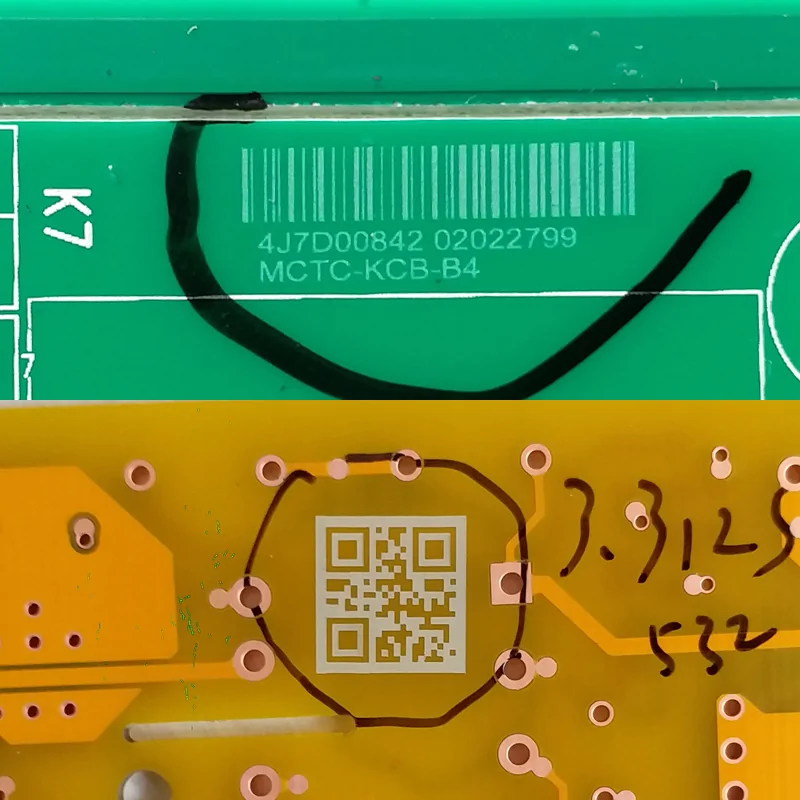
To fully grasp the industrial side of the laser world, it is helpful to explore a specific application in more detail. An excellent resource can shed light on the specifics of laser marking equipment. A laser marking machine is a system designed to create permanent marks on a wide variety of materials. These marks can include serial numbers for traceability, barcodes for logistics, logos for branding, or decorative patterns. Unlike printing, the marks are indelible and resistant to heat, chemicals, and abrasion. This technology is indispensable in industries like automotive, aerospace, electronics, and medical device manufacturing, where permanent and precise identification is a regulatory or quality-control necessity.
The Future of Light: Emerging Trends in Laser Systems
Looking ahead, the field of laser technology continues to evolve rapidly. In medical aesthetics, we are seeing the rise of combination therapies, where lasers are used alongside other modalities like radiofrequency or microneedling. Robotic systems are being developed to deliver laser energy with even greater precision.
In the industrial sector, the trends are towards higher power, greater efficiency, and smarter systems. Ultra-fast lasers (picosecond and femtosecond) are moving from the lab to the factory floor, enabling even finer processing of materials. Artificial intelligence and machine learning are being integrated into laser systems to provide real-time quality control and predictive maintenance. The journey of the laser, from a laboratory curiosity to a transformative tool in both medicine and industry, is far from over.
Frequently Asked Questions (FAQ)
1. How much does a professional laser stretch mark removal machine cost in 2026? The price for a professional machine varies widely based on technology, brand, and features. Entry-level, single-platform devices (like a basic non-ablative fractional laser) might start around $15,000 to $30,000. Mid-range systems from reputable brands, such as a quality fractional CO2 or Erbium laser, typically fall between $40,000 and $90,000. High-end, multi-platform machines that combine several laser types (e.g., fractional, PDL, and picosecond) can easily exceed $100,000 to $150,000.
2. What is the difference between a professional machine and cheap at-home devices? The difference is immense and critical. Professional machines are high-powered, FDA-cleared or CE-marked medical devices that deliver energy deep into the dermis to effectively stimulate collagen. They require operation by a trained medical professional. At-home devices are not true lasers; they are typically low-power LEDs or use other technologies. They are not capable of achieving the clinical results of a professional laser and are generally considered ineffective for treating stretch marks. Their low cost reflects their lack of power and efficacy.
3. Why is there such a large price difference between laser types, like a PDL and a Fractional CO2 laser? The price difference stems from the complexity of the laser source and its components. A fractional CO2 laser requires a gas-filled laser tube, sophisticated radiofrequency (RF) excitation, and a high-speed scanner, making it inherently complex and expensive to manufacture. A Pulsed-Dye Laser (PDL) uses a liquid dye as its gain medium, which is "pumped" by a flashlamp, and has its own set of engineering challenges. Picosecond lasers, which require technology to generate extremely short light pulses, are even more complex and sit at the top of the price range.
4. Are maintenance and consumable costs significant for these machines? Yes, they can be. This is a crucial part of calculating the total cost of ownership. Some machines require disposable handpiece tips, which can cost hundreds of dollars and must be replaced regularly. Other systems have components like flashlamps with a limited shot count that cost several thousand dollars to replace. It is essential to ask the manufacturer for a detailed breakdown of all consumable and limited-life parts and their costs before purchasing. An annual service contract can also cost 8-12% of the machine's initial price.
5. Is a fiber laser, like those used in industrial marking, suitable for stretch mark removal? Absolutely not. A fiber laser, such as a Fiber Laser Marking Machine, is designed for marking hard materials like metal and plastic. Its wavelength (typically 1064 nm) and energy delivery profile are optimized for ablating or annealing these materials, not for safe and therapeutic interaction with skin. Using an industrial fiber laser on skin would be extremely dangerous and would cause severe burns and scarring. Medical and industrial lasers are highly specialized, non-interchangeable tools.
6. For a clinic in the Philippines or UAE, what is the most important factor to consider besides price? The most important factor is local support from the manufacturer or distributor. A laser machine is a complex piece of equipment that will eventually require service. Having a reliable, well-trained local technical team that can respond quickly to a service call is invaluable. Without it, a machine failure could lead to weeks or even months of downtime, resulting in significant lost revenue. Always verify the quality and responsiveness of the local support network before making a purchase.
7. How do import taxes affect the final price in Southeast Asia? Import taxes and duties can add a substantial amount to the final cost. A machine with a list price of $70,000 from the manufacturer might end up costing over $90,000 by the time it is delivered to a clinic in Jakarta or Manila, after factoring in shipping, insurance, customs duties (e.g., 5-15%), and VAT (e.g., 10-12%). It is vital to get a "landed cost" quote from the distributor that includes all these additional charges.
Conclusion
To determine how much is a laser stretch mark removal machine is to navigate a landscape of sophisticated technology and complex market forces. The price tag, which can span from the cost of a new car to that of a small house, is not an arbitrary figure. It is a reflection of the intricate physics embedded in the laser source, the precision engineering of its delivery system, the years of clinical research validating its safety, and the global network required to support it. From the choice between an ablative CO2 laser for deep resurfacing and a gentle Pulsed-Dye laser for new redness, to the reputation of the manufacturer and the regulatory hurdles of a specific country, each element contributes to the final valuation.
For a clinic owner in Southeast Asia or the Middle East, the investment transcends the initial financial outlay. It is a commitment to a specific technology and a long-term partnership with a manufacturer. The true cost must account for training, maintenance, consumables, and the economic realities of local taxes and import duties. In a broader sense, understanding the cost of these medical devices also illuminates the remarkable versatility of laser technology itself, a field that simultaneously offers solutions for healing human skin and for shaping the very fabric of modern industry through tools like the laser engraving machine and other industrial systems. The ultimate decision rests not just on the price, but on a holistic calculation of value, performance, support, and the potential to deliver life-enhancing results to patients.
References
AccTek Group. (2025). Fiber laser marking machine. AccTek Group. Retrieved from
Al-Mohizea, S. (2012). Erbium: YAG laser versus pulsed dye laser in the treatment of striae distensae. Journal of Drugs in Dermatology, 11(6), 724-728. Retrieved from https://jddonline.com/articles/erbium-yag-laser-versus-pulsed-dye-laser-in-the-treatment-of-striae-distensae-S1545961612P0724X/
American Society for Dermatologic Surgery. (n.d.). Laser resurfacing. ASDS. Retrieved from
ComMarker. (2025). UV & Fiber Laser Engravers | Industrial Precision Engraving Machines. ComMarker. Retrieved from
Free Optic. (n.d.). OEM Fiber Laser Engraving Machine Manufacturer and Supplier, Factory Exporter. Free Optic. Retrieved from https://www.free-optic.com/fiber-laser-engraving-machine/
Hispeed Laser. (n.d.). Laser marking machine manufacturer – Hispeed. Hispeed Laser. Retrieved from
Karmisholt, K. E., Hædersdal, M., & Togsverd-Bo, K. (2021). A systematic review of laser and light-based therapies for the treatment of striae distensae. Lasers in Surgery and Medicine, 53(10), 1317–1327.
Laserax. (2025). Laser manufacturer of marking & cleaning solutions. Laserax. Retrieved from
Trotec Laser GmbH. (2025). Fiber laser marker machines & marking systems. Trotec Laser. Retrieved from
U.S. Food & Drug Administration. (2020). Laser products and instruments. FDA. Retrieved from