

 +86 13110089902
 bella.zhang@free-optic.com

How a Laser Marking Machine Works: A Complete Guide to Modern Marking Technology
December 10, 2025
Understanding the Concept of Laser Marking
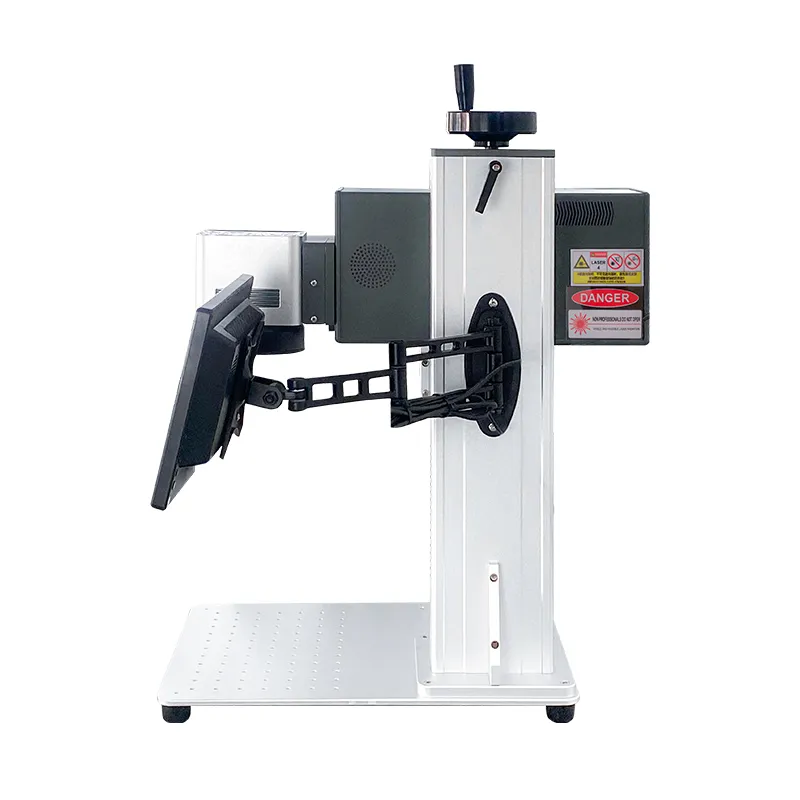
A laser marking machine is an advanced technology used to create permanent, high-precision marks on metals, plastics, ceramics, glass, and many other industrial materials. It uses a focused laser beam to alter the surface of a material through processes such as engraving, etching, annealing, or carbonization. For readers new to the concept, a helpful introduction can be found in what is a laser marking machine, which explains the fundamentals and applications of this equipment.
Laser marking has become an essential part of modern manufacturing, providing reliable product identification, traceability, branding, and anti-counterfeiting solutions. From automotive parts to electronics and medical devices, laser machines deliver clean, readable marks without causing surface damage.
The Core Principle Behind Laser Marking
Laser marking works by concentrating a high-energy laser beam onto a specific area of a material. When the beam hits the surface, it interacts with the material’s molecules, causing a change in texture, color, or depth. The process depends on the laser wavelength, type of material, and desired marking effect.
Unlike mechanical engraving or printing, laser marking is a non-contact process. The laser head never touches the product surface, ensuring accuracy and consistent quality. This also prevents mechanical wear, meaning the machine maintains long-term stability.
Key Components of a Laser Marking Machine
Although laser machines come in many forms, most systems share several essential components that determine how they work.
Laser Source
The laser source is the heart of the machine. Fiber lasers are commonly used for metal marking, while CO₂ and UV lasers are preferred for non-metal materials. Each laser type produces a different wavelength, influencing the marking effect.
Galvanometer System
A high-speed scanning system called a “galvo head” directs the laser beam with extreme precision. It uses two tiny mirrors to control X- and Y-axis movement, allowing the laser to draw letters, barcodes, QR codes, or graphics at high speed.
Focusing Lens
A specialized optical lens focuses the laser beam into a very small point, increasing marking accuracy and consistency.
Control Software
Advanced software allows users to design text, logos, serial numbers, or codes. It also controls laser intensity, speed, depth, and marking parameters based on material type.
Machine Frame and Worktable
The equipment housing ensures stability and vibration-free operation, which is critical for precise marking.
The Marking Process Explained
When a laser marking machine is in operation, the software sends instructions to the galvo head, which then directs the laser beam to mark the material. The type of interaction depends on the marking method chosen.
Engraving removes material
Annealing changes the surface color of metals
Foaming creates raised marks on plastics
Carbonization produces dark marks through material decomposition
Ablation removes coatings or paints without damaging the base material
This flexibility allows manufacturers to achieve different visual results depending on production needs.
Why Laser Marking Is Highly Efficient
Laser marking machines have become popular because of their speed, accuracy, and long-term cost savings. They do not require ink, chemicals, or contact tools, reducing consumable costs and environmental waste. Modern systems also support automated production, making them ideal for high-volume industries.
For businesses needing reliable metal marking solutions, Free Optic offers professional Laser Marking Machine For Metal equipment designed for industrial environments where precision and durability are critical.
Types of Laser Marking Machines
Different industries rely on different laser technologies depending on material and marking quality requirements.
Fiber Laser Marking Machine
Best for stainless steel, aluminum, brass, and other metals. Fiber lasers offer fast marking speed and high energy efficiency.
CO₂ Laser Marking Machine
Designed for organic materials such as wood, leather, acrylic, rubber, and coated surfaces.
UV Laser Marking Machine
Ideal for plastics, glass, silicon wafers, and delicate materials due to its cold-processing wavelength.
Manufacturers benefit from exploring the full range of Laser Marking Machines provided by Free Optic, which cover multiple industries and advanced marking needs.
Integration with Automation Systems
Modern factories increasingly require automated and data-driven solutions. Laser marking machines can integrate with conveyor systems, robotic arms, and vision-recognition technology to achieve fast, continuous marking.
Automated coding lines can mark hundreds of products per minute
Real-time data can be uploaded to ERP or traceability systems
Cameras verify marking quality instantly
This integration improves production efficiency while reducing labor costs and human error.
Advantages of Using Laser Marking Machines
The rise of laser marking technology is due to several key advantages:
Permanent, wear-resistant marks
High precision and repeatable accuracy
Non-contact, damage-free surface processing
Compatibility with a wide variety of materials
Eco-friendly, chemical-free marking
Low operational cost and minimal maintenance
These advantages make laser marking suitable for electronics, automotive parts, aerospace components, consumer goods, jewelry, medical devices, and product packaging.
Industries That Benefit from Laser Marking
Laser marking is used in nearly every manufacturing sector due to its versatility. Some of the most common applications include:
Marking serial numbers and traceability codes
Engraving logos and branding
Creating QR codes, barcodes, and UID labels
Anti-counterfeiting micro-marking
Precision marking on circuit boards and microchips
Engraving metal tools and mechanical components
As manufacturing standards continue to rise, more companies rely on advanced laser machines for product compliance and identification.
Why Choose Free Optic for Laser Marking Solutions
Free Optic provides high-performance laser systems known for stability, precision, and long operating life. Their comprehensive range includes fiber, UV, and CO₂ systems as well as custom-engineered solutions for specialized industries.
Customers choose Free Optic because of their focus on optical quality, fast marking speed, reliable components, and user-friendly machine interfaces. Their machines also support both small workshops and large automated production lines.
Whether businesses require deep metal engraving or delicate micro-coding, Free Optic offers professional solutions designed to meet modern production demands.
Final Thoughts
Laser marking machines play a vital role in today’s manufacturing environment, offering unmatched accuracy, efficiency, and flexibility. By understanding how they work and selecting the right system, companies can achieve long-term productivity and superior marking results.
Manufacturers looking for dependable equipment can explore Free Optic’s range of Laser Marking Machines, which deliver reliable performance for a wide variety of industries.